
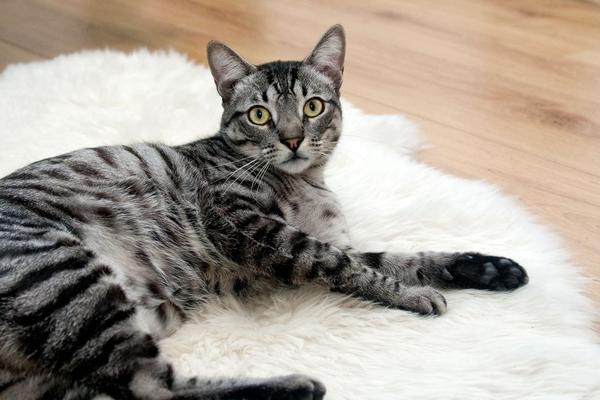
Apartment living does not automatically mean choosing the smallest cat. For most indoor cats, the better question is whether temperament, activity level, vocal habits and social needs fit your household. A calm cat can be content in a one-bedroom apartment if it has climbing space, daily play, clean litter boxes and somewhere quiet to retreat.
Breed can offer useful clues, but it never guarantees personality. Individual cats vary, and an adult whose temperament is already known may be easier to match to apartment life than a kitten. These breeds are consistently known for traits that can work well in smaller US homes.
Apartment-Friendly Cat Breeds Worth Considering
1. British Shorthair
The British Shorthair is a strong all-round choice for apartment dwellers. The Cat Fanciers’ Association describes the breed as calm, quiet and sedate. These cats usually enjoy being near their people without demanding constant lap time, and many prefer staying at floor or sofa level rather than scaling every surface. Their short, dense coat is comparatively easy to maintain, although it does shed.
2. Ragdoll
Ragdolls are large cats, yet their relaxed nature often matters more than their size. They are typically gentle, sociable and moderately active. CFA notes that Ragdolls adapt easily to most environments and do not need a great deal of living space. A sturdy cat tree and regular interactive play can provide enough vertical territory and exercise without requiring a large floor plan.
3. Russian Blue
For renters who value a quieter home, the Russian Blue deserves a close look. This breed is known for being intelligent, playful and relatively quiet, and CFA notes that Russian Blues do not need much space to feel content. They can be reserved around visitors, so a predictable routine and private hiding place may suit them especially well. Puzzle toys help keep their sharp minds busy.
4. American Shorthair
The American Shorthair combines adaptability with an easygoing disposition. TICA describes the breed as calm, devoted and non-demanding, and specifically states that apartment living suits them. They still need exercise, but they can often entertain themselves between play sessions. For someone who works outside the home, that balance can be easier to manage than a highly attention-dependent breed.
5. Chartreux
The Chartreux is often overlooked among quiet cat breeds. CFA describes these muscular French cats as even-tempered, adaptable and quieter than most breeds. Many have small voices and communicate more through body language than persistent meowing. They enjoy play and companionship without usually being intrusive. Because mature Chartreux can gain excess weight, measured feeding and active play are useful in apartment homes.
6. Exotic
The Exotic has much of the Persian’s mellow character with a shorter, plush coat. These cats are generally quiet, affectionate and easygoing, making them appealing small apartment pets for owners who want a companion that stays close without constant activity. Grooming is easier than with a longhaired Persian, though the coat still needs care. Because Exotics share the Persian’s short-faced structure, responsible breeding and veterinary health checks matter.
7. Persian
Persians are classic low energy cats. Their placid temperament and preference for keeping their feet on the ground can work beautifully in a compact home. The trade-off is grooming: their long coat requires frequent combing, and flat-faced Persians may be prone to breathing, eye and dental problems. Prioritize health over exaggerated facial features and be prepared for consistent coat and eye care.
8. Birman
Birmans are gentle, affectionate and moderately active. They tend to be soft-spoken and patient, which suits apartment households that want a social cat without excessive noise. However, Birmans strongly value companionship and may dislike being left alone for long stretches. A household with someone home frequently, or another compatible pet, may suit them better than an empty apartment all day.
9. Bombay
Bombays bring more playfulness to this list but remain adaptable. TICA specifically identifies apartment life as suitable for the breed and notes that Bombays often become more tranquil as they mature. They enjoy games, puzzle toys and attention, so they suit someone who wants an interactive indoor cat rather than a very low-key companion.
10. Selkirk Rex
The Selkirk Rex is known for a quiet, affectionate personality and curly coat. These cats tend to be more interactive than intensely active, often preferring time with their people to nonstop climbing or racing. That can suit apartment living well when they receive daily play and attention. Both shorthaired and longhaired varieties need coat care, so owners should learn grooming techniques suited to their curls.
How to Choose the Right Cat for a Small Apartment
Square footage is only one part of the decision. Think about noise sensitivity, how many hours the cat will be alone, grooming time, shedding and how much daily play you can provide. A vocal, social cat in a studio may feel more demanding than a larger but quieter cat in the same space.
For example, a renter in a 650-square-foot Chicago apartment who works from home might do well with a Ragdoll or Birman because companionship is available throughout the day. Someone who commutes may find an adult British Shorthair or American Shorthair a better fit.
Make the apartment feel larger from the cat’s perspective by adding vertical territory. A window perch, stable cat tree, scratching post and rotating toys create separate zones for watching, climbing, scratching and resting. Useful related topics include apartment cat enrichment, litter box placement and choosing suitable scratching surfaces.
Frequently Asked Questions
Are cats happy living in apartments?
Yes. Many cats can thrive in apartments when their needs are met. Daily play, climbing options, scratching surfaces, clean litter boxes, resting areas and visual stimulation such as a secure window perch can make indoor life engaging.
What is the quietest cat breed for an apartment?
There is no guaranteed quietest breed, but British Shorthairs, Russian Blues, Chartreux, Persians and Exotics are commonly described as relatively quiet. Individual temperament still matters, so ask a breeder, rescue or foster carer about the specific cat’s vocal habits.
Is a large cat a bad choice for a small apartment?
Not necessarily. A calm large cat may adapt better than a small, highly active one. Ragdolls are a good example: they are physically large but generally laid-back and moderately active. The key is providing vertical space, exercise and comfortable resting areas.
Should I choose a kitten or an adult cat?
An adult can be easier to match because its energy level and personality are already clearer. Kittens of every breed are typically more active and may need more supervision. A foster-based rescue can often provide useful information about how an adult cat behaves in a home.
Finding the Best Fit for Your Home
The best cat breeds for apartments are not simply the smallest or least active. The strongest matches combine a manageable activity level with a temperament that suits your schedule, noise tolerance and desire for companionship. Breed profiles can narrow the search, but meeting the individual cat remains essential. Choose for personality and health first, then create an indoor environment with places to climb, play, scratch, watch and rest.