
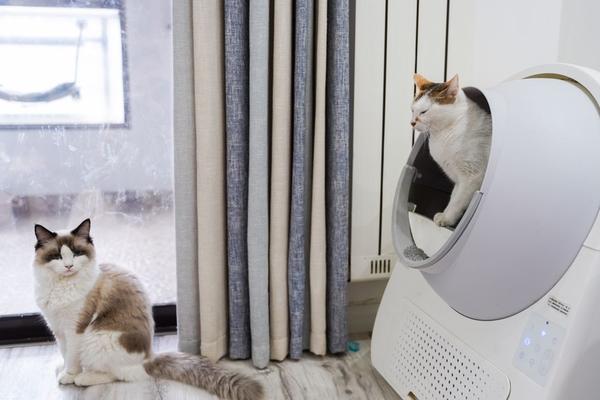
If you want the simple answer, use the N+1 rule: provide one litter box for each cat in the home, plus one extra. One cat should ideally have two boxes, two cats should have three, three cats should have four, and so on. The extra option reduces competition and gives cats somewhere else to go when a box is dirty, occupied, or feels unsafe.
What the N+1 litter box rule means
The litter box rule is easy to calculate: count your cats, then add one. Veterinary guidance commonly recommends this setup because cats do not always share resources as comfortably as people expect. Even cats that sleep together may have different preferences about where and when they eliminate.
For one cat, N+1 means two litter boxes. For two cats, it means three. For three cats, plan for four. For four cats, five boxes is the usual starting point.
“Starting point” matters. The N+1 rule for cats is a practical guideline, not a guarantee that every household will work perfectly with that exact number. A cat with mobility problems, a kitten learning the home, or a household with tension between cats may benefit from additional boxes or more careful placement.
Why one box per cat may not be enough
A litter box is a resource that needs to feel clean, reachable, and safe. If two cats must pass each other in a narrow hallway to reach one shared box, a less confident cat may start avoiding it. The more cats sharing one location, the easier it is for odor, mess, or social pressure to become a problem.
An extra box also gives a cat an alternative when another cat is using the preferred one. This is especially useful in a multi-cat home where one cat tends to stare at, follow, chase, or block another. You may never see an obvious fight, yet access can still feel risky to one cat.
Multiple litter boxes also help with cleanliness. Many cats are particular about toilet areas and may avoid a box that already contains waste. Daily scooping remains important, but an extra option makes the cat household setup more forgiving between cleanings.
Placement matters as much as the number
Three litter boxes lined up side by side are not always as useful as three boxes placed in separate, accessible locations. If another cat controls access to that room, every box there can effectively become unavailable at once.
Spread boxes through the home
Choose quiet locations cats can reach at any time. In a multi-storey home, having boxes on more than one floor can help older cats, cats with mobility issues, and cats that simply prefer not to travel far. Avoid dead-end spots where another pet could block the exit.
Keep food and litter separate
Cats generally prefer toileting areas away from food and water. A box beside a noisy appliance, busy doorway, or feeding station may be convenient for people but unappealing to a cat. Aim for privacy without making the cat feel trapped.
A practical example for a two-cat home
Imagine two cats living in a two-storey house. The N+1 calculation gives you three litter boxes. Instead of placing all three in the laundry room, keep one in a quiet downstairs area, one upstairs, and the third in another calm, easy-to-reach location.
One cat may prefer the upstairs box while the other usually chooses downstairs. The third box might get less use, but it still has value. If a door is closed, one box needs cleaning, or the cats have a tense interaction near a preferred location, another option remains available. That flexibility is the purpose of the extra box.
Does every cat need an assigned litter box?
No. Cats do not treat the formula as “this box belongs to me.” Several cats may use the same preferred box while another gets less traffic. The goal is choice and access, not assigned ownership.
If one box is consistently ignored, look at its location, size, litter type, cleanliness, and ease of entry. Moving it to a better spot may be more useful than adding another box beside it.
When you may need to adjust the setup
The standard formula may need tweaking when a cat is elderly, recovering from illness or surgery, has mobility limitations, or is being introduced to resident cats. A low-entry box close to the cat’s usual area can make access easier. Kittens may also benefit from conveniently placed boxes while learning a larger home.
Box size matters too. A cramped box can be uncomfortable even when you technically have the correct number. Many cats prefer roomy boxes, unscented litter, and a clean surface. Regular scooping helps keep every option attractive.
If a cat suddenly stops using the litter box, do not assume the problem is only the box count. House soiling can have medical as well as behavioral causes. Straining to urinate, repeated unsuccessful trips, crying, blood in the urine, or passing little to no urine needs veterinary attention; inability to urinate can be an emergency, particularly in male cats.
FAQ
How many litter boxes should you have for one cat?
The N+1 guideline recommends two litter boxes for one cat. The second provides another clean, accessible option and can be especially useful in a larger or multi-storey home.
How many litter boxes do two cats need?
Two cats should generally have three litter boxes. Place them in separate useful locations rather than clustering all three together whenever your home’s layout allows.
Can two cats share one litter box?
They may use the same box voluntarily, but relying on only one leaves no alternative if it is dirty, occupied, blocked, or associated with tension. Three boxes for two cats is the more cat-friendly starting point.
What if I do not have space for the full N+1 number?
Use the best setup your home can realistically support. Prioritize clean, appropriately sized boxes in separate, accessible locations and scoop frequently. If space is tight, thoughtful placement can improve a limited setup, although adding another suitable box is worth considering if you see avoidance or conflict.
The simplest way to get the litter box count right
For most homes, the math is straightforward: one box per cat, plus one extra. The real benefit comes from combining that number with smart placement, good hygiene, enough space, and easy access.
Use N+1 as your baseline, then let your cats’ behavior guide the fine-tuning. If every cat can reach a clean box without being cornered, rushed, or forced to compete, the setup is doing what it is supposed to do.