
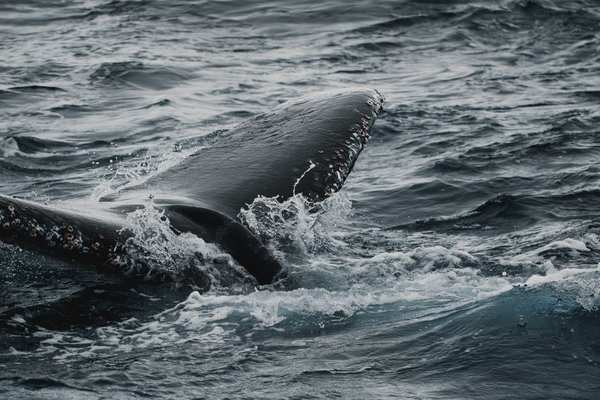
A gray whale passing California in December may be heading toward a sheltered lagoon in Mexico. A humpback feeding in Alaska during summer could spend winter around Hawaii. Both are migrating, but their journeys follow different routes, calendars, and food supplies. Understanding whale migration routes in North America means looking at species and ocean basins separately, not imagining one continuous highway through the sea.
How to read a whale migration map
Many whales move between productive feeding areas and places used for mating or giving birth. In the Northern Hemisphere, feeding often intensifies in cooler northern waters during spring and summer, while breeding commonly occurs farther south during winter. This pattern is useful, but not universal.
On a whale migration map, arrows represent broad movements rather than exact tracks. Some populations travel close to shore; others cross open ocean. Routes can shift with prey, currents, water temperatures, and sea ice. Maps based on tracked animals are more informative than illustrations suggesting every whale follows one path.
Pacific whale migration routes
Gray whales: Arctic seas to Baja California
Eastern North Pacific gray whales make one of the continent’s clearest coastal migrations. Many feed in the Bering and Chukchi seas during warmer months, then travel south past Alaska, British Columbia, and the U.S. West Coast to wintering and calving areas around Baja California, Mexico. Some spend summer feeding along the Pacific Northwest coast instead.
Southbound gray whale migration generally occurs from November into February. Northbound movement runs roughly from February through May. Mothers with young calves often leave Mexico later, allowing calves time to grow. Because gray whales frequently travel near shore, West Coast headlands can offer excellent viewing opportunities.
A detailed gray whale migration guide can explain the coastal stopovers and seasonal differences behind this remarkable journey.
Humpbacks: Alaska to Hawaii, Mexico, and Central America
Humpback migration in the North Pacific is a network rather than a single corridor. Whales feeding around Alaska and northern British Columbia may winter in Hawaii. Other groups feeding off California, Oregon, Washington, and farther north travel toward breeding areas off Mexico or Central America. Different individuals link different feeding and wintering habitats.
In summer, humpbacks gather where fish and krill are abundant. In winter, many move to warmer waters for mating and calving. The Alaska-to-Hawaii journey alone spans roughly 3,000 miles, but not every humpback seen in Alaska is bound for Hawaii.
Blue whales: tracking krill-rich water
Eastern North Pacific blue whales commonly feed off California during summer and autumn, when ocean conditions concentrate krill. Some travel south toward Mexico and Central America in winter. Satellite tracking has revealed movements between the Gulf of Alaska, the U.S. West Coast, and waters near the Costa Rica Dome.
Their routes are harder to predict from shore than those of gray whales. Blue whale movements respond strongly to prey, and not every individual follows the same seasonal pattern. Finding an active feeding hotspot can matter more than standing beside a supposed migration corridor.
Atlantic whale migration routes
Humpbacks: northern feeding areas to the Caribbean
Western North Atlantic humpbacks feed in the Gulf of Maine and waters off eastern Canada during warmer months. Many travel south toward breeding and calving areas in the West Indies, including waters near the Dominican Republic. Whale watchers off New England generally focus on the feeding season, when whales may linger where prey is abundant.
A humpback whale species guide can help visitors recognize fluke patterns, feeding behavior, and the difference between a whale traveling and one actively hunting.
North Atlantic right whales: a vulnerable coastal connection
Some endangered North Atlantic right whales travel from feeding grounds off New England and Canada to calving waters off the southeastern United States. Georgia and Florida are particularly important for mothers and newborn calves. The calving season extends from mid-November to mid-April.
Right whale movements are not a simple seasonal procession. Some individuals occur off New England and the Mid-Atlantic year-round. Their habitat overlaps shipping lanes and fishing areas, making vessel strikes and fishing-gear entanglement major conservation threats.
What drives these long journeys?
Food is a powerful influence. Cold-water currents, blooms, and seasonal mixing support krill and small fish in northern feeding areas. Whales build energy reserves when prey is plentiful, then draw on them during long journeys and periods when feeding is reduced.
Reproduction also shapes their movements. Sheltered waters provide important calving habitat for species such as gray and humpback whales. But migration is not simply a search for warmth: feeding conditions, learned behavior, reproductive needs, and local oceanography work together.
Farther north, changes in sea ice affect movements of bowhead whales and belugas. Their seasonal travel patterns differ from the familiar migrations along California or toward the Caribbean.
Whale migration seasons at a glance
Winter brings gray whales to Baja California, humpbacks to Hawaii and tropical breeding waters, and some right whales to the southeastern U.S. coast. Spring brings many gray whales north and numerous humpbacks toward feeding grounds. Summer and autumn are important feeding periods for humpbacks near Alaska and eastern Canada and for blue whales off California.
These are broad patterns, not guarantees. The best month depends on species, location, food supply, and weather. A regional whale-watching calendar can narrow the timing far more accurately than a continent-wide chart.
Using migration routes for responsible whale watching
Imagine planning a February visit to California. Instead of searching randomly for whales, check local gray whale reports and established headland viewing sites for northbound travelers. For a Monterey Bay trip in late summer, look for feeding conditions and recent humpback or blue whale reports. Those animals may be hunting rather than passing through.
Use operators who follow applicable wildlife-viewing rules. Keep a safe distance, avoid crossing a whale’s path, and never pursue a mother and calf. Rules vary by species and jurisdiction. The aim is to observe whales without changing their behavior.
Frequently asked questions
Which whales migrate along North America’s West Coast?
Gray whales are especially famous for their Arctic-to-Baja coastal route. Humpbacks and blue whales also migrate through Pacific waters, but their routes are generally more varied.
When can you see migrating gray whales in California?
Southbound whales are often observed in winter and northbound whales in late winter and spring. Local timing varies, with mothers and calves commonly traveling north later.
Do all North American whales migrate south in winter?
No. Movement differs by species, population, age, reproductive status, and food availability. Some whales remain in northern or mid-latitude waters throughout winter.
Why do whale migration routes change?
Prey availability, currents, ocean temperatures, and sea ice influence movements. Even whales from the same population may not travel identical routes every year.
Conclusion
North America’s whale migrations connect Arctic seas, temperate feeding grounds, and southern breeding waters. Gray whales trace a visible Pacific coastal route; humpbacks connect distant habitats; blue whales follow krill; and right whales depend on a vulnerable Atlantic corridor. Learn the species and season first, then interpret any migration map with those differences in mind. Understanding these journeys also explains why protecting habitats along the way matters.