
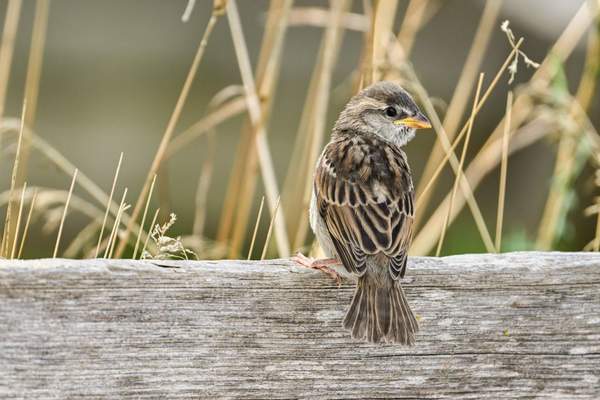
Birdwatching can begin with something as simple as noticing a bird outside your kitchen window. You do not need to travel to a wildlife refuge, memorize hundreds of species, or buy expensive equipment. For most people, the best introduction is to slow down, look carefully, and learn a few common birds close to home.
In the United States, beginner birding can happen almost anywhere: a backyard, city park, walking trail, beach, pond, or tree-lined street. The goal at first is not to identify every bird. It is to become comfortable observing shape, size, color, movement, habitat, and sound.
Start With the Birds You See Every Day
The easiest way to learn birdwatching for beginners is to begin locally. Common species are useful teachers because you can see them repeatedly. Depending on where you live, you may encounter American Robins, Northern Cardinals, Mourning Doves, Blue Jays, House Finches, chickadees, crows, sparrows, or woodpeckers.
Spend ten or fifteen minutes in one familiar place. Notice where birds perch, how they move, whether they feed on the ground or in trees, and whether they appear alone or in groups. Repeated observation builds recognition faster than rushing through a long checklist.
Learn a Simple Identification Routine
When a bird appears, resist focusing only on color. Light can change how plumage looks, and males, females, juveniles, and seasonal plumages may differ. Instead, collect several clues before deciding what you have seen.
Look at size and shape first
Compare the bird with something familiar. Is it sparrow-sized, robin-sized, crow-sized, or larger? Look at body shape, tail length, bill shape, wing proportions, and posture. A short, thick bill often suggests a seed-eating bird, while a longer, slender bill may suit insects or nectar.
Notice behavior and habitat
Behavior can narrow the possibilities quickly. A bird climbing a tree trunk gives a different clue from one hopping on a lawn or circling over water. Habitat matters too. A species found beside a marsh may be less likely in a dry suburban yard.
Listen before the bird disappears
Bird calls and songs matter because birds are often heard before they are seen. At first, simply notice whether a sound is a whistle, trill, buzz, repeated phrase, or harsh call. Pairing a sound with a bird you can see gradually turns listening into an identification skill.
Choose Gear That Helps Without Complicating Things
You can start with your eyes alone, but binoculars make birding easier. Many beginners find 8x binoculars comfortable because they provide useful magnification while remaining relatively easy to hold steady. More important than premium specifications is choosing a pair you can focus quickly and carry comfortably.
A field guide or reliable bird-identification app is also useful. Use it after you observe the bird rather than staring at the guide while the bird is still in view. First collect clues; then compare likely species. This improves your observation skills instead of turning every sighting into a search exercise.
Useful follow-up topics include binoculars for birdwatching beginners and common backyard birds in the USA.
Try Backyard Birdwatching Before Traveling Far
Backyard birdwatching is one of the easiest ways to practice because you can return to the same location. Watch at different times of day and in different weather. Early morning is often productive because many birds are active and feeding, but useful observations can happen throughout the day.
You do not need a feeder to begin. Trees, shrubs, flowers, lawns, fences, and nearby water can all attract birds. If you use feeders, keep them clean and watch birds without crowding them. Avoid approaching nests or disturbing birds for a closer look or photograph.
Use a Real-World Practice Session
Imagine walking into a neighborhood park and noticing a small bird moving through low branches. Instead of opening an app immediately, give yourself thirty seconds to gather clues. You note that it is smaller than a robin, has a short bill, moves quickly, stays in shrubs, and gives a repeated call. Only then check a guide and compare likely species.
This method is much more useful than guessing from one color patch. Even when your first identification is wrong, the process teaches you which details matter. That is one of the most valuable birding basics: identification improves through careful comparisons, not instant certainty.
Keep Notes and Build Skills Gradually
A simple notebook can speed up learning. Record the date, location, habitat, approximate size, major colors, behavior, and sounds you noticed. You can also note what made the identification convincing or uncertain.
After several weeks, patterns emerge. You may notice that one species visits the lawn after rain while another stays high in the canopy. You may recognize a familiar call before locating the bird. These small breakthroughs make beginner birding rewarding without requiring a huge species list.
A birdwatching journal is another natural next step if you enjoy recording sightings.
Practice Respectful Birdwatching
Good birdwatching keeps the bird’s welfare first. Observe from a reasonable distance, stay on designated paths where required, follow local rules, and avoid repeated disturbance around nests or young birds. Do not push through sensitive habitat simply to improve a view.
Public parks, wildlife refuges, beaches, and private properties may have different access rules. Responsible birders respect closures, property boundaries, other visitors, and wildlife. A better sighting is never worth stressing a bird or damaging habitat.
FAQ
What is the easiest way to start birdwatching?
Choose one familiar place, spend ten to fifteen minutes watching birds, and practice noticing size, shape, behavior, habitat, and sound. Learn a few common local species before trying to identify everything you see.
Do I need binoculars for birdwatching?
No. You can begin without them, especially for backyard birds and larger species. Binoculars become helpful when you want to see details at a distance, but observation skills matter more than expensive gear.
What time of day is best for birdwatching?
Early morning is often productive because many birds are actively feeding and singing. However, species follow different routines, so birding at several times of day can teach you more about your local area.
How long does it take to get good at identifying birds?
There is no fixed timeline. Most beginners improve by repeatedly watching common species and learning a few clues at a time. Consistent short sessions are usually more useful than occasional attempts to memorize many birds at once.
Build Your Birding Habit One Sighting at a Time
Learning how to start birdwatching is less about collecting names and more about training yourself to notice details. Start close to home, watch common birds carefully, use simple identification clues, keep notes, and let your knowledge grow naturally. A familiar robin, dove, sparrow, or cardinal can teach you a great deal when you are learning to observe well.
The more often you look, the more you will notice. Within a few weeks, places that once seemed quiet may feel full of movement, sound, and small patterns you had never noticed before. That change in awareness is one of the best rewards of birdwatching.