
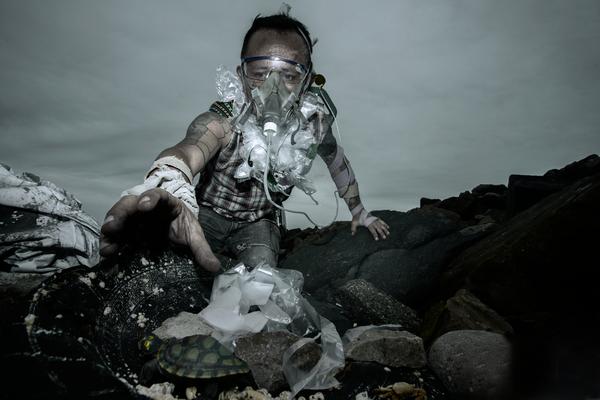
A sea turtle can cross an ocean, return to a familiar nesting region decades later, and still be stopped by a discarded fishing line or brightly lit hotel. That contrast explains why sea turtle threats and conservation cannot be separated. The animals depend on healthy feeding grounds, safe migration routes and undisturbed beaches, but hazards change throughout their lives.
There are seven living sea turtle species, and their conservation outlook varies by species and region. Some populations are recovering, while others remain in serious trouble. Protection means understanding particular risks, not assuming every coastline needs the same solution.
Why Sea Turtles Face Risks Throughout Their Lives
Females lay eggs on beaches; hatchlings reach the sea; juveniles and adults spend years travelling and feeding offshore. A nesting beach may be protected while its turtles encounter dangerous fishing gear hundreds of miles away. Effective sea turtle conservation must connect beach management with protection at sea.
Fishing Bycatch: A Major Threat at Sea
Turtle bycatch occurs when fishing operations accidentally catch turtles while targeting fish or shellfish. Trawls, gillnets and longlines can entangle or hook turtles. Because sea turtles breathe air, prolonged underwater entrapment can cause drowning; survivors may suffer serious injuries.
Solutions depend on the fishery. Turtle excluder devices in some shrimp trawls create escape openings. Changes to hook design, bait and fishing practices can reduce interactions in certain longline fisheries. Monitoring, safe-release procedures and seasonal restrictions help where turtles and fishing activity overlap.
No single modification works everywhere. Conservation programmes should work with fishers, test methods locally and track whether accidental catches decline.
Nesting Beaches Lost to Development and Erosion
Coastal construction replaces nesting habitat with buildings, roads and seawalls. Hardened shorelines may leave too little dry sand for nests, particularly when beaches narrow during storms. Vehicles, beach furniture and deep holes also obstruct females and hatchlings.
Nesting beach protection means conserving dunes, limiting disruptive construction, controlling beach driving and keeping routes clear. Where nests face immediate flooding or disturbance, trained, authorised teams may relocate them under established protocols. Moving nests casually can damage eggs.
The sea turtle nesting and hatching process helps explain why even small changes to the route between nest and shoreline affect vulnerable hatchlings.
Plastic Debris and Lost Fishing Gear
Floating bags and plastic fragments may be mistaken for food or swallowed incidentally. Ingested debris can injure the digestive tract or interfere with feeding. Discarded ropes and nets entangle turtles, making swimming, surfacing and foraging difficult.
Beach clean-ups remove hazards before rubbish reaches water, but cannot solve the problem alone. Better waste collection, prevention of gear loss and recovery of abandoned equipment address pollution at its source. Marine plastic pollution is particularly concerning around feeding grounds and currents where debris collects.
Boat Strikes in Busy Coastal Waters
Sea turtles surface to breathe and can be difficult for boat operators to spot. Collisions with hulls or propellers cause serious injuries, particularly around harbours, inlets and busy waterways.
Reducing speed in known turtle areas, keeping a lookout and following posted wildlife guidance can lower risks. Anyone finding an injured turtle should contact the appropriate marine wildlife response service rather than attempt an untrained rescue.
Artificial Lighting Can Send Hatchlings the Wrong Way
On a naturally dark beach, hatchlings typically orient toward the brighter, open horizon over the sea. Buildings, streetlights and beachfront lighting can draw them inland. Disoriented hatchlings may become exhausted or vulnerable to predators and vehicles. Bright lights can discourage females from nesting.
Turn off unnecessary beachfront lights during nesting season. Where lighting is essential, suitable shielding, placement and wildlife-sensitive fixtures reduce light visible from the sand. Different bulb colours alone are no substitute for local turtle-lighting standards.
Climate Change Adds Pressure to Existing Threats
Rising seas, coastal flooding and changing storms can erode nesting habitat or inundate nests. Sand temperature also matters: incubation temperature influences hatchling sex, with warmer conditions generally producing more females. Excessive heat may reduce hatching success.
Conservation teams monitor nest temperatures and coastal changes, restore natural beach features where appropriate and protect varied nesting sites. Climate adaptation complements efforts to reduce fishing deaths and habitat damage.
How Conservation Efforts Work Together
The strongest programmes match protection measures to the local causes of turtle deaths or nesting failures.
Protect habitats and reduce disturbance
Communities can safeguard nesting zones, restore coastal vegetation, manage visitor access and monitor nests. Long-term records show whether these steps improve outcomes.
Make fisheries safer
Researchers, regulators and fishing communities can evaluate gear changes, release training and targeted management. Reliable bycatch reporting matters: a promising technology only helps if it works and is used correctly.
Support research and cross-border cooperation
Satellite tracking, tagging and nest surveys reveal where turtles travel and threats cluster. Since turtles migrate between countries, protection on one coastline may depend on policies elsewhere. Sea turtle migration routes explain why international coordination is essential.
What Visitors Can Do on a Turtle Nesting Beach
Imagine staying beside a nesting beach during hatchling season. Before sunset, move chairs and umbrellas off the sand, fill holes and close curtains facing the shore. Avoid flash photography or shining torches at turtles. Keep your distance and follow wardens’ instructions.
If hatchlings head toward a car park instead of the sea, do not pick them up or move the nest yourself. Alert trained local responders. Small, well-timed actions often help more than dramatic interventions.
Frequently Asked Questions
What are the biggest threats to sea turtles?
Major threats include fishing bycatch, nesting and feeding habitat loss, marine debris, boat strikes, beachfront lighting and climate-related changes. Their relative importance varies between populations.
Do beach clean-ups really help sea turtles?
Yes. Removing litter and lost fishing line reduces local hazards, especially before rubbish washes into the sea. Lasting improvement also requires reducing waste and abandoned gear at their sources.
Can sea turtle populations recover?
Some populations have improved after sustained nesting beach protection, fisheries management and other measures. Recovery can take decades because turtles mature slowly, and improvement in one population does not mean all are secure.
Should I help a hatchling reach the water?
Usually, keep the beach dark and unobstructed, leave hatchlings undisturbed and notify authorised responders if something appears wrong. Follow local nesting-area rules.
Conclusion
Sea turtles face interconnected hazards from nests to open ocean. Effective protection combines safer fishing, cleaner seas, responsible boating, darker beaches and climate-aware habitat management. Targeted, sustained conservation can work, especially when coastal communities, fishers, researchers and visitors share responsibility for the same migration journey.