
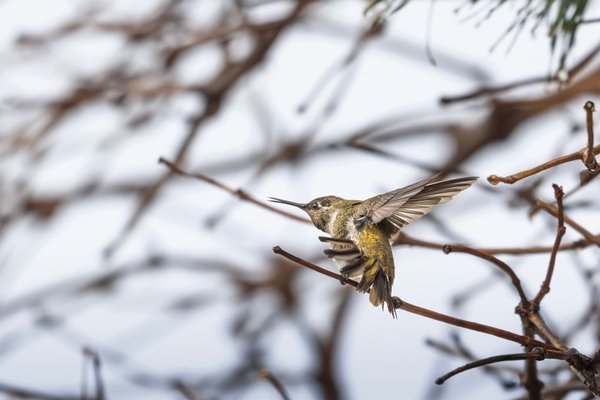
Hummingbird migration in the USA is easy to think of as one neat northbound trip in spring and one southbound trip in fall. In reality, the timing shifts by species, latitude, elevation, weather, and even the age and sex of individual birds. A backyard in coastal Texas can see spring hummingbirds weeks before a yard in Minnesota, while parts of the Southwest and Pacific Coast may host certain hummingbirds through winter. That variation makes migration season rewarding to watch.
When Hummingbirds Migrate Across the United States
For many migratory hummingbirds, northward movement begins in late winter or early spring from Mexico and Central America. Birds reach the southern United States first, then continue north as flowers bloom and insects become more available. In much of the eastern half of the country, Ruby-throated Hummingbirds are the familiar spring arrival. They breed across a broad area from the Gulf Coast north into Canada.
There is no single national start date for hummingbird season USA-wide. Along the Gulf Coast, migrants can appear in March, while many central and northern areas see arrivals mainly in April or May. Western patterns are even more varied because several species use different routes and elevations.
Fall migration also begins earlier than many people expect. Adult males often start leaving breeding areas before females and young birds. By late summer, southbound movement is already underway in many regions, with August and September bringing heavy activity. Some late migrants continue through October, especially in the South.
Eastern Migration: The Ruby-throated Hummingbird
East of the Great Plains, Ruby-throated Hummingbirds dominate the migration picture. Most winter in Mexico and Central America, then return north to breeding territories. During migration, some cross the Gulf of Mexico directly while others travel around its coastline. A direct Gulf crossing can cover roughly 500 miles and may require many hours of sustained flight.
Because the birds migrate individually rather than in flocks, you may not notice a dramatic wave. One day a feeder may be quiet, and the next day a traveler appears briefly before continuing north. In spring, early males often arrive first. Females follow, and local numbers may rise as breeding birds settle into suitable habitat.
For readers who want to make their yards more useful during these periods, a natural companion topic is hummingbird feeder care. Clean feeders and fresh nectar can provide a dependable energy stop, especially when flowers are scarce early or late in the season.
Western Migration Follows Different Routes
Western hummingbirds do not all follow the same calendar or corridor. Rufous Hummingbirds provide one of the clearest examples. They travel enormous distances between Mexico and breeding areas that can reach Alaska and western Canada. In spring, many move north along the Pacific Coast. Later in the year, they often return south through interior western regions and the Rocky Mountains, creating a broad seasonal loop rather than retracing the exact same route.
Black-chinned Hummingbirds are another common western migrant, breeding across much of the West and Southwest before moving south for winter. Allen’s Hummingbirds add another wrinkle: migratory populations along the Pacific Coast can begin moving unusually early, while some populations in southern California are far less migratory.
Anna’s Hummingbirds show why a national migration calendar can mislead. They are year-round residents in many parts of the Pacific Coast and Southwest, so seeing a hummingbird in winter does not automatically mean a bird is lost or late.
What Backyard Watchers May Notice in Spring
Spring hummingbirds often appear suddenly, but they are following a moving landscape of food. Flowering plants, small insects, warming temperatures, and longer days help shape where useful habitat is available. The first bird at a feeder may be a migrant still traveling hundreds of miles farther north rather than a summer resident returning to that exact yard.
A practical approach is to put feeders out shortly before your area’s usual first sightings rather than waiting until you see a bird hovering where a feeder used to be. Gardeners can also support migrants with native flowers that attract hummingbirds from spring through fall.
What Changes During Fall Migration
Fall hummingbirds can make a yard feel busier than it did during nesting season. Local birds are leaving while migrants from farther north pass through. That overlap can produce several days of intense feeder activity, followed by a sudden drop.
Keeping a feeder up does not stop hummingbirds from migrating. Seasonal cues, especially changing day length, help drive migration. In fact, leaving a clean feeder available for several weeks after your usual birds disappear may help late travelers refuel. The feeder still needs regular cleaning, and nectar should never be allowed to spoil.
Late-season visitors deserve a careful look. In the East and Midwest, an unexpected fall hummingbird is not always a Ruby-throated Hummingbird. Rufous and other western species occasionally wander far outside their typical routes. A useful related guide is how to identify common U.S. hummingbirds, particularly when an unusual bird appears after the main migration has passed.
Weather Changes Timing, but Not the Whole Story
Warm spells and cold fronts can affect daily movement, but migration is not simply a reaction to temperature. Birds use internal seasonal rhythms along with environmental conditions. Favorable winds may help them cover distance, while storms can force them to pause and feed heavily before continuing.
This is why annual arrival dates can vary without meaning the migration has failed. A difference of several days may reflect weather along the route, food availability, or conditions hundreds of miles away. Watching the same yard year after year can be more informative than relying on a single national date.
FAQ
What month do hummingbirds migrate north in the USA?
Northbound migration begins as early as late winter for some western species and becomes much more noticeable in March and April. Northern states often see major arrivals in April or May. Exact timing depends on species and location.
When do hummingbirds leave in the fall?
Some begin southbound movement in July, especially adult males and early-migrating western species. August and September are major migration months across much of the country, with later birds still appearing into October in many areas.
Do hummingbirds cross the Gulf of Mexico?
Yes. Many Ruby-throated Hummingbirds cross the Gulf during migration, although others follow coastal routes around it. Birds making the direct crossing must build substantial energy reserves before departure.
Should I take my feeder down so hummingbirds will migrate?
No. Feeders do not prevent normal migration. You can keep a clean feeder available after your regular birds leave so late migrants have another place to refuel.
A Seasonal Journey Worth Watching
Hummingbird migration is less like a single nationwide event and more like a series of overlapping journeys. Ruby-throated Hummingbirds define the eastern pattern, while Rufous, Black-chinned, Allen’s, Anna’s, and other western species create a more complex regional picture. If you track first arrivals, peak activity, and final sightings in your own yard, the season gradually becomes easier to read. Those local observations reveal what a national calendar cannot: migration is a living schedule, changing with geography, species, and the conditions birds encounter along the way.