
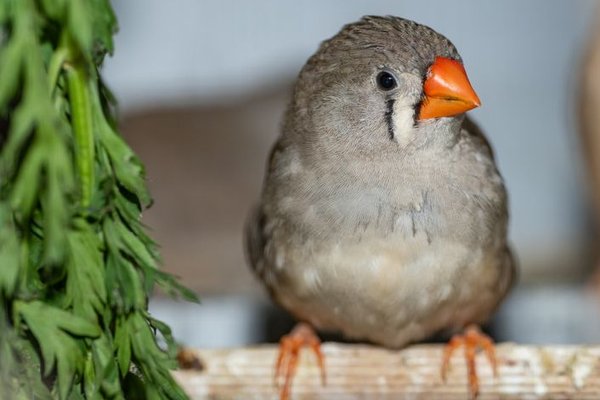
Zebra finches are small birds with big social lives. They are happiest when care is built around flying, flocking, feeding, bathing, and communicating with other finches rather than constant handling by people. That makes them different from many companion parrots. A well-kept pair can be lively and engaging to watch without becoming hand-tamed, and good zebra finch care starts with making natural behavior easy.
Start With a Social Setup
Zebra finches are strongly social, colony-living birds. In a home setting, a compatible pair is usually a better starting point than a lone finch. Small groups can also work when the enclosure is large enough, but crowding increases competition over perches, food, and resting spots.
Same-sex pairs are often chosen when breeding is not wanted. Mixed-sex pairs may reproduce readily if nesting conditions are available, so owners who do not plan to breed should avoid nest boxes, enclosed huts, and nesting material. Finches do not need a nest to sleep; they can roost comfortably on secure perches.
Watch the relationship rather than assuming two birds will automatically get along. Normal zebra finch behavior includes calling, following, and brief chasing. Persistent bullying, blocked access to food, feather damage, or prolonged hiding means the setup needs attention.
Build the Cage Around Horizontal Flight
A good finch cage setup prioritizes length and clear flight space. Zebra finches make repeated short flights from perch to perch, so a long rectangular cage is more useful than a tall, narrow one. A commonly cited minimum for a pair is around 24 inches long by 14 inches wide by 18 inches high, but larger is better.
Bar spacing of about 3/8 inch or less is commonly recommended for small finches. Arrange perches so the birds can fly across the cage without weaving through toys. Natural, bird-safe branches of varied diameters help exercise the feet, while several perch locations reduce arguments.
Place the cage in a bright, calm room away from drafts, cooking fumes, smoke, aerosol sprays, scented products, and overheated nonstick cookware. Birds have highly sensitive respiratory systems, so seemingly minor fumes can be dangerous. A broader pet bird cage setup guide can help with perch placement and room safety.
Feed More Than a Bowl of Seed
Traditional finch diets have often relied heavily on seed, but seed-only feeding can be nutritionally unbalanced. A better finch diet uses a high-quality formulated food suitable for finches as a nutritional base, with measured seed and small portions of suitable fresh foods for variety. If your birds currently eat only seed, make changes gradually rather than replacing everything overnight.
Offer fresh leafy greens and vegetables in small portions and remove leftovers before they spoil. Keep clean drinking water available and wash food and water containers daily. More than one feeding station can reduce competition.
Finches hull many seeds before swallowing them, so they generally do not need grit to grind food. Excess grit can cause health problems. Calcium needs, especially in egg-laying females, are another reason to discuss diet with an avian veterinarian rather than relying on supplements by guesswork. A guide to safe foods for pet birds can help owners expand variety safely.
Make Bathing and Enrichment Routine
Zebra finches often enjoy bathing. Offer a shallow, stable bath with clean water regularly and refresh it when dirty. Watching a pair bathe and preen also helps you learn what normal activity looks like.
Enrichment should support movement and curiosity without turning the cage into an obstacle course. Swings, simple ladders, safe grasses, foraging opportunities, and well-placed perches can add interest. Rotate a few items rather than filling every open space. For finches, room to fly is enrichment too.
Protect Sleep and Avoid Accidental Breeding Cues
A consistent day-night rhythm helps finches settle. Give them a quiet, dark period each night, with high, secure perches available for roosting. Many pet birds do well with roughly 10 to 12 hours of darkness and quiet, although veterinary advice may affect the exact routine.
If you are not breeding zebra finches, resist adding a cozy nest simply because it looks comfortable. Enclosed nests and abundant nesting material can stimulate breeding behavior. A bird can sleep perfectly well on a perch, and avoiding unnecessary nest sites may reduce breeding triggers.
Daily Observation Is One of the Best Care Tools
Finches can hide illness until they are quite unwell, so subtle changes matter. Spend a few minutes each day watching before cleaning or refilling dishes. Note how quickly each bird comes to food, how it flies, where it perches, what its droppings look like, and whether its breathing appears effortless.
For example, if one bird in a pair suddenly stays on a low perch while the other is flying normally, do not dismiss it as being sleepy. Check whether that bird is eating, remains fluffed up, or shows noticeable tail movement with each breath. A quiet change in routine can be more important than a dramatic symptom.
Persistent lethargy, sitting on the cage floor, reduced appetite, breathing difficulty, marked tail bobbing, vomiting, or sudden weight loss should prompt a call to an avian veterinarian. Routine examinations also help track weight and early health changes. A guide to signs of illness in pet birds is worth keeping handy.
Keep the Cage Clean Without Constantly Redesigning It
Wash food and water dishes daily and replace soiled cage-liner paper regularly. Wipe droppings from perches and accessories, then schedule deeper cleaning as needed. Use bird-safe cleaning methods, rinse surfaces well, and make sure everything is dry before the birds return.
Keep the overall layout familiar after cleaning. Finches learn where safe perches and feeding spots are, so rebuilding the cage every time can create avoidable stress.
FAQ
Can a zebra finch live alone?
A zebra finch can survive alone, but it is a social species and is generally better kept with a compatible finch companion. Human attention is not a full substitute for the social contact another finch provides.
Do zebra finches need a nest to sleep in?
No. Healthy zebra finches can sleep on secure perches. If breeding is not intended, leaving out nest boxes and enclosed huts can also help reduce breeding cues.
Can zebra finches become hand-tame?
Some can learn to accept a person nearby or even perch on a finger with patient, gentle training. However, zebra finches are usually best enjoyed as social, active birds rather than pets that want frequent holding.
How often should zebra finches bathe?
Offer a shallow bath regularly and let the birds choose when to use it. Some will bathe often, while others are less enthusiastic. Keep the water clean and the container stable and shallow.
A Good Zebra Finch Home Feels Like a Tiny Flock Space
The most useful zebra finch care guide is less about teaching these birds to behave like miniature parrots and more about supporting what they already are: quick, social flock birds that thrive on companionship, flight, predictable routines, and close observation. Give them a roomy horizontal cage, a compatible companion, a balanced diet, bathing opportunities, uncluttered enrichment, and dependable sleep. Then watch their behavior closely. When their environment supports natural movement and social life, zebra finches can be active, expressive, and rewarding birds to keep.