
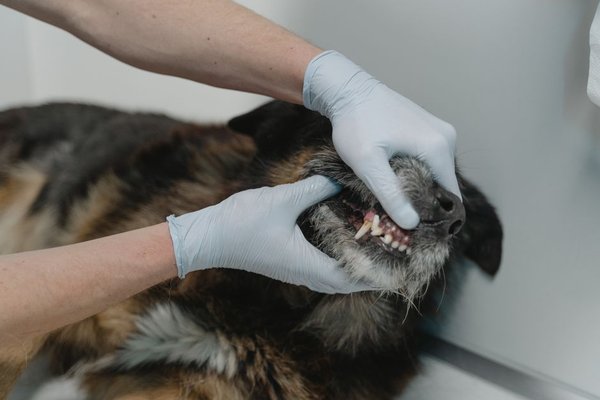
Good dental care is easy to overlook because dogs rarely complain about a sore mouth. They may keep eating and playing normally even while plaque builds along the gumline. That is why preventive oral care deserves a place beside routine veterinary exams and other everyday health habits. A few minutes of dog dental care at home can reduce plaque and help you notice changes before they become painful problems.
The most effective home plan is simple: brush regularly, use evidence-backed dental products when useful, and know when home care is no longer enough. It is to control plaque, protect the gums, and support your dog’s comfort over the long term.
Why Home Dental Care Matters
Plaque is a sticky bacterial film that forms on teeth quickly. If it is not disrupted, minerals in saliva can harden it into tartar. The bigger concern is what happens at and below the gumline, where inflammation can progress from gingivitis to periodontal disease. Once supporting tissues around a tooth are damaged, brushing cannot reverse that damage.
Bad breath is often the first sign owners notice, but dental disease can also cause red or bleeding gums, drooling, chewing on one side, dropping food, reluctance to eat hard treats, facial swelling, or pawing at the mouth. Some dogs show very little outward discomfort, so regular veterinary mouth checks still matter.
Make Dog Teeth Brushing the Foundation
Daily brushing is widely regarded as the most effective form of home dental care because it physically disrupts plaque before it hardens. If daily brushing feels unrealistic at first, build the habit gradually rather than forcing a long session that makes your dog dread the toothbrush.
Choose the Right Tools
Use a soft pet toothbrush, finger brush, or other dog-safe brushing tool that suits the size of your dog’s mouth. Pair it with toothpaste made specifically for pets. Human toothpaste should not be used. Some human dental products contain xylitol, which is toxic to dogs, and human toothpaste is not designed to be swallowed the way pet toothpaste is.
Teach Brushing in Small Steps
Start when your dog is relaxed. For the first few sessions, simply lift the lip, touch the outside surfaces of the teeth, and reward calm behaviour. Next, introduce a small amount of pet toothpaste on your finger or brush. Once your dog accepts that, brush the outer tooth surfaces gently, especially where the teeth meet the gums.
You do not need to pry the mouth wide open. Keep early sessions short and positive. For example, if your dog pulls away after ten seconds, stop before it becomes a struggle, reward calmly, and try a slightly longer session the next day. Over a week or two, those tiny sessions can become a reliable one- or two-minute routine.
Where Dental Chews and Other Products Fit
Dental chews for dogs can be useful, especially on days when brushing is difficult, but they should support rather than replace brushing and veterinary care. Look for products with evidence behind their plaque or tartar claims. The Veterinary Oral Health Council reviews submitted data and awards its seal to products that meet its standards for plaque or tartar control.
Choose a chew appropriate for your dog’s size and chewing style, and supervise use. Extremely hard objects can damage teeth. If your dog swallows large pieces, has dietary restrictions, or already has dental problems, ask your veterinarian which options are suitable.
Other home-care products include dental diets, water additives, oral gels, sprays, wipes, and powders. Some may help reduce plaque or tartar when used as directed. They are most useful as part of a realistic routine rather than as a shortcut. Natural internal-link topics for this section include preventive dog care, healthy dog treats, and senior dog health checks.
Check Your Dog’s Mouth Once a Week
A quick weekly mouth check can make home care more useful. In good light, lift the lips and look at the gumline, back teeth, and areas where tartar collects quickly. You are looking for changes, not trying to diagnose the problem yourself.
Watch for persistent bad breath, red or swollen gums, bleeding, loose or broken teeth, a sudden change in chewing, excessive drooling, facial swelling, reduced appetite, or sensitivity around the muzzle. These signs deserve veterinary attention. Dog gum disease can exist below the gumline even when the visible tooth surface does not look especially dirty.
Know When Home Care Is Not Enough
Brushing can control new plaque, but it cannot safely remove established tartar below the gumline or diagnose disease hidden around tooth roots. A proper veterinary dental assessment may involve examination under anaesthesia, probing, charting, and dental X-rays so the veterinarian can evaluate structures that cannot be seen during an awake mouth check.
If your dog already has heavy tartar, inflamed gums, pain, loose teeth, or difficulty eating, do not try to fix the problem by brushing harder. Arrange a veterinary dental exam. Once active disease is treated, your veterinarian can help you restart an appropriate home-care routine.
A Simple Routine You Can Maintain
The best plan is one that survives busy weeks. Keep the toothbrush and pet toothpaste in the same place, tie brushing to an existing habit such as the evening walk, and reward your dog afterward. Add a veterinarian-approved dental chew or other proven product if it suits your dog’s needs, then make the weekly mouth check part of grooming.
If you miss a day, simply restart. Dental care works through repeated plaque control over time, not through one perfect session. Puppies can learn the routine early, but adult and senior dogs can also learn to accept brushing when it is introduced patiently.
Frequently Asked Questions
How often should I brush my dog’s teeth?
Daily brushing offers the best plaque control. If you are just starting, build up gradually until brushing becomes a normal part of your dog’s routine. Short, calm sessions are better than occasional aggressive scrubbing.
Can dental chews replace brushing?
Dental chews can help reduce plaque or tartar, depending on the product, but they are generally best used alongside brushing and regular veterinary dental care. Choose the correct size and look for recognised dental-efficacy evidence.
What toothpaste is safe for dogs?
Use toothpaste formulated for dogs or pets and follow the product directions. Do not use human toothpaste. Human products may contain ingredients unsuitable for dogs, including xylitol in some formulations.
When should I call the vet about my dog’s teeth?
Book a veterinary exam if you notice persistent bad breath, red or bleeding gums, drooling, trouble eating, loose or broken teeth, facial swelling, or obvious mouth pain. Routine veterinary exams also matter because dental disease may not always produce dramatic symptoms.
Keep Prevention Simple and Consistent
Good dog dental care at home is less about buying a shelf full of products and more about establishing a repeatable routine. Gentle dog teeth brushing should do most of the daily work, while carefully chosen dental chews or other products can provide extra support. Pair that routine with regular mouth checks and veterinary exams, and you have a practical system for spotting problems early and keeping your dog’s mouth more comfortable for years to come.