
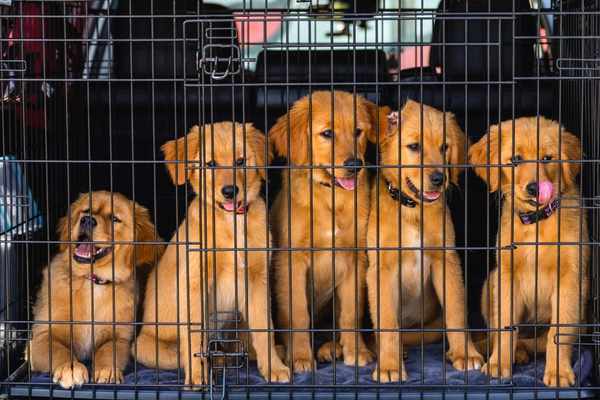
A puppy crate training schedule should be built around the puppy’s body, not the owner’s clock. Young puppies need frequent toilet breaks, plenty of sleep, short bursts of play, and gradual practice being alone. The goal is not long confinement. It is to teach that the crate is a calm, safe place for naps, nighttime sleep, travel, and brief periods without direct supervision.
This week-by-week plan suits a puppy coming home at eight to twelve weeks old. Adjust it for age, size, health, previous experience, and confidence. Progress only when your puppy is relaxed. Panic, repeated crate soiling, or an inability to settle may require a slower plan and advice from a veterinarian or qualified reward-based trainer.
Set Up the Crate Before Training
Choose a crate large enough for your puppy to stand, turn, stretch, and lie down comfortably, but not so large that one end becomes a toilet. A divider helps with a growing puppy. Place the crate in a quiet family area during the day and near your bed at night during the first few weeks.
Add washable bedding if your puppy does not chew or soil it. Keep the door open, toss treats inside, and allow voluntary exploration. Never push the puppy in or use the crate as punishment. Positive associations are the foundation of effective crate training tips.
Week 1: Make the Crate Feel Safe
Focus on comfort, not duration. Feed meals near the crate, then just inside it, and gradually move the bowl farther back. Say a cue such as “crate” as your puppy enters and reward calm behavior. Close the door for only a few seconds while you sit nearby, then open it before concern builds.
A Simple Daily Rhythm
Take your puppy outside immediately after waking. After toileting, allow ten to twenty minutes of supervised play or gentle training. Offer breakfast, go outside again, then encourage a crate nap. Repeat the pattern throughout the day: toilet, activity, food or water when scheduled, another toilet opportunity, and rest.
Very young puppies often need to go outside after waking, eating, drinking, active play, and leaving the crate. They may also need breaks every forty-five to sixty minutes while awake. Overnight trips are normal. Keep them quiet: visit the toilet area, reward success, and return to bed without play.
Week 2: Add Short Closed-Door Sessions
Once your puppy enters willingly, close the door during meals, food-toy sessions, and naps. Practice several short sessions rather than one long one. Try thirty seconds, one minute, three minutes, and five minutes across separate sessions. Mix easy repetitions with slightly longer ones instead of making every attempt harder.
Begin stepping out of sight for one or two seconds, then return calmly. Gradually extend the absence while your puppy remains settled. Avoid dramatic goodbyes and excited reunions. Continue puppy potty training on a predictable schedule so the puppy is never crated with an uncomfortably full bladder.
Week 3: Build Calm Independence
Aim for relaxed crate naps and short periods alone while you are elsewhere in the home. Give your puppy a toilet break and age-appropriate activity first. A puppy who has relieved themselves and used some mental energy is more likely to settle.
Try ten to twenty minutes while you shower, prepare food, or work in another room. Do not leave a frightened puppy to “cry it out.” Mild protest can happen, but escalating barking, frantic scratching, heavy panting, drooling, or escape attempts suggest distress. Shorten the next session and rebuild gradually.
Week 4: Fit the Crate Into the Daily Routine
By week four, many puppies can follow a reliable pattern of crate naps, meals, toilet breaks, training, and supervised freedom. This does not mean they can spend a full working day in a crate. Age-based bladder rules are rough estimates, not targets. Drinking, excitement, illness, breed, and individual development all affect how long a puppy can wait.
If you must be away longer than your puppy can remain comfortable and clean, arrange a toilet break with a trusted person. A secure exercise pen with separate sleeping and toilet areas is another option. The crate should support good habits, not force an unavoidable accident.
A Practical Day for an Eight- to Twelve-Week-Old Puppy
For a household starting at 7:00 a.m., take the puppy outside on waking, feed breakfast around 7:15, then go outside again. Add a short play and training period, another toilet trip, and a crate nap around 8:00. Repeat toilet, activity, and nap cycles through the morning. Serve lunch around midday if three meals are appropriate, then follow the same pattern.
Include another crate nap in the afternoon, followed by handling practice, play, and several toilet trips. Feed the evening meal consistently and take the puppy outside immediately afterward. Keep late-evening play calm, offer a final toilet trip before bed, and plan overnight breaks as needed. Recording meals, water, naps, accidents, and successful trips for several days will reveal your puppy’s personal timetable.
Handle Whining and Accidents Calmly
When whining starts, consider whether your puppy genuinely needs the toilet. A puppy who has just awakened or reached their usual limit should be taken outside quietly. If nothing happens, return to the crate without play. This protects genuine toilet needs without teaching that every sound starts an exciting activity.
Clean accidents with an enzymatic cleaner and do not scold. Ask what happened beforehand: Was the session too long? Did the puppy drink recently? Was a post-meal break missed? Repeated accidents, frequent urination, diarrhea, discomfort, or sudden loss of progress warrants veterinary advice.
Helpful Next Steps
Related guides on puppy potty training basics, teaching a puppy to be alone, and creating a daily puppy sleep schedule can help complete your new puppy routine. Add freedom gradually, supervise closely, and return to shorter sessions after travel, illness, or a major household change.
Frequently Asked Questions
How long should a puppy stay in a crate during the day?
Use the shortest practical period and base it on the puppy’s toilet needs and comfort. Very young puppies often need breaks more frequently than simple age formulas suggest. A crate should never replace exercise, companionship, training, or toilet access.
Should I let my puppy cry in the crate?
Do not ignore escalating distress. Check for a toilet need, discomfort, heat, hunger, or fear. After meeting those needs, make the next session easier and shorter.
Can a puppy sleep in the crate overnight?
Yes, provided the crate is comfortable and the puppy receives toilet breaks as needed. Keeping it near your bed helps you hear early signals and may reduce anxiety.
What if my puppy refuses to enter?
Stop closing the door temporarily. Feed near the entrance and reward voluntary approaches. Forcing entry usually makes the crate less appealing.
Build Reliability Without Rushing
A successful puppy crate training schedule is flexible, gradual, and closely linked to sleep and toilet habits. The first month is not about reaching a fixed number of minutes. It is about creating calm, positive repetitions. When the crate predicts rest and safety, and your puppy is never asked to wait beyond their physical ability, it becomes a useful part of family life rather than a source of stress.