
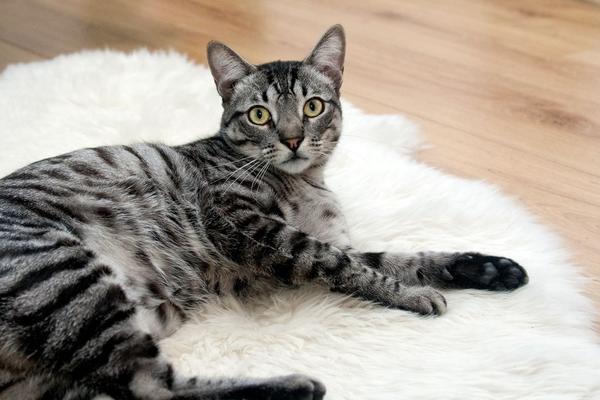
Apartment living does not rule out sharing your home with a cat. Many cats are perfectly comfortable in smaller spaces when they have a calm routine, vertical territory, daily play, and clean places to eat, sleep, and use the litter box. The best cat breeds for apartments are not simply the smallest. Temperament, activity level, vocal habits, grooming needs, and tolerance for time alone matter just as much as body size.
Breed can offer useful clues, but every cat is an individual. A relaxed adult mixed-breed cat from a shelter may suit apartment life better than a high-energy pedigree kitten. Still, certain breeds are known for being adaptable, affectionate, and relatively easy to live with in compact homes.
What Makes a Cat Good for Apartment Living?
Good apartment cats tend to be adaptable rather than demanding. They can settle into an indoor routine, enjoy company without requiring constant attention, and use climbing shelves, window perches, scratching posts, and interactive toys. Many renters also prefer quiet cat breeds, especially when walls are thin.
Low energy cats can be a natural fit for smaller homes, but they still need exercise and enrichment. Even calm indoor cat breeds benefit from short play sessions every day. A small apartment can feel spacious when it includes vertical levels, hiding places, and comfortable resting spots.
10 Best Cat Breeds for Apartments
1. British Shorthair
The British Shorthair is calm, sturdy, and usually content to observe household activity from a favorite chair. These cats are affectionate without typically being clingy. Their moderate activity level suits apartment life, although regular play and sensible portions are important because they can gain weight easily.
2. Ragdoll
Ragdolls are known for their gentle, people-oriented nature. Many follow their owners from room to room without being frantic or overly vocal. They are large cats, so they need a generously sized litter box and sturdy furniture, but they do not require a large floor plan to be happy.
3. Russian Blue
The Russian Blue is a thoughtful, reserved breed that often thrives in a peaceful home. These cats may be cautious around strangers, yet they form strong bonds with their household. They are generally quiet and appreciate predictable routines, puzzle feeders, climbing space, and daily interactive play.
4. Scottish Straight
Scottish Straights are often calm, sweet, and adaptable. They share ancestry with Scottish Folds but do not have folded ears. The folded-ear trait is linked to a cartilage disorder that can cause painful bone and joint problems, so choosing a healthy straight-eared cat is the more welfare-conscious option.
5. Persian
Persians are classic apartment companions because they generally prefer lounging to racing around at high speed. Their soft voices and laid-back nature work well in quiet buildings. Their long coats need frequent brushing, and very flat-faced cats may have eye, breathing, and dental problems, so health-focused breeding or adoption is important.
6. Exotic Shorthair
The Exotic Shorthair combines a mellow personality with a coat that is usually easier to maintain than a Persian’s. These cats are playful in short bursts and often settle happily near their owners afterward. They can still have flat-faced health concerns, so careful selection and regular veterinary care matter.
7. Birman
Birmans are sociable, gentle cats that often adapt well to indoor routines. They enjoy companionship and interactive play without being as intense as some athletic breeds. Their silky coat needs regular brushing, and their balanced energy level makes them appealing apartment pets.
8. Burmese
Burmese cats are compact, affectionate, and highly people-focused. They are more active than several breeds on this list, but their desire to interact can make them excellent small apartment pets for households with time to play. Because they may dislike long periods alone, they often suit remote workers or homes with another compatible pet.
9. American Shorthair
The American Shorthair is adaptable, easygoing, and typically less demanding than highly energetic breeds. These cats enjoy play but can also relax for long stretches. Their short coat is simple to maintain, and their balanced temperament suits many renters and first-time owners.
10. Sphynx
The Sphynx can thrive in an apartment because it is social, curious, and strongly attached to people. However, it is not maintenance-free. Skin oils can build up, so regular bathing and ear cleaning may be necessary. Sphynx cats also need warmth, sun protection, and plenty of interaction.
Cats That May Need More Stimulation
No breed is automatically unsuitable for an apartment, but highly active cats such as Bengals, Savannahs, and some Abyssinians can be challenging in small homes. They often need substantial climbing structures, advanced enrichment, and frequent play. Vocal breeds, including many Siamese and Oriental Shorthairs, may also be difficult in noise-sensitive buildings.
These cats can still live happily in apartments, but owners must be realistic about time, sound, exercise, and environmental setup. Choosing by appearance alone can lead to frustration for both the cat and the household.
How to Make a Small Apartment Cat-Friendly
Use vertical space first. A tall cat tree, secure wall shelves, or a window perch expands your cat’s territory without taking up much floor area. Place scratching surfaces near sleeping areas and common pathways, and keep food and water away from the litter box.
Offer toys that encourage stalking, chasing, and problem-solving, then rotate them to keep them interesting. Provide a quiet hiding place where the cat can retreat. The usual litter-box guideline is one box per cat plus one extra when space allows, but cleanliness and thoughtful placement are especially important in a compact home.
Frequently Asked Questions
What is the best cat breed for a small apartment?
British Shorthairs, Ragdolls, Russian Blues, and American Shorthairs are often strong choices because they are generally calm and adaptable. The best match still depends on the individual cat’s age, personality, and activity level.
Are cats happy living entirely indoors?
Yes. Cats can live happy indoor lives when their needs are met through daily play, climbing opportunities, scratching areas, comfortable resting spots, mental stimulation, and regular veterinary care.
Is an adult cat better than a kitten for an apartment?
An adult cat is often easier because its personality and energy level are already clear. Kittens can adapt well, but they usually need more supervision and play. Shelter staff can help match an adult cat to a quieter apartment lifestyle.
Do apartment cats need much exercise?
Yes. Even low energy cats need regular movement to support a healthy weight and reduce boredom. Short sessions with wand toys, balls, or food puzzles can provide effective exercise in limited space.
Choosing the Right Apartment Cat
The best cat breeds for apartments are calm, adaptable, and compatible with the owner’s daily routine. Breed traits can guide your search, but age, health, personality, and previous living experience are equally important. Before adopting, ask how the cat responds to noise, visitors, time alone, handling, and other pets.
A well-matched cat does not need a huge home. With vertical space, enrichment, reliable care, and a secure bond with its owner, even a compact city apartment can become a comfortable and engaging feline territory.