
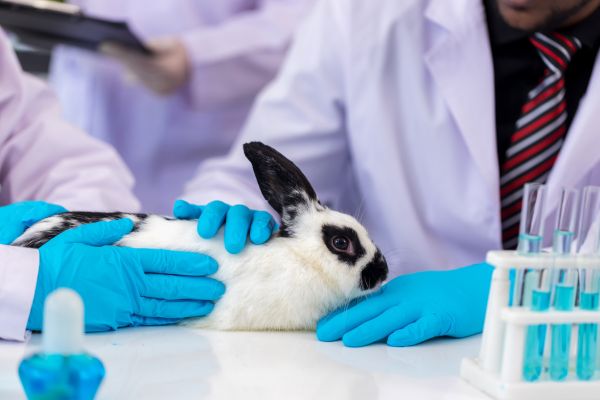
Animal cruelty is often imagined as a single shocking act, but in reality it takes many forms. It can involve deliberate violence, prolonged neglect, unsafe living conditions, abandonment, organised animal fighting, or the failure to provide basic food, shelter, and medical care. Some cases are immediately visible. Others continue quietly behind closed doors, in backyards, on farms, or in commercial settings where animals have little chance of escaping harm.
Animal cruelty prevention depends on more than compassion alone. It requires enforceable laws, responsible ownership, public awareness, accessible veterinary care, and organisations capable of responding when animals are at risk. It also depends on ordinary people being willing to notice warning signs and report concerns rather than assuming someone else will act.
Preventing cruelty is not about expecting every person to become an animal welfare expert. It begins with understanding what humane treatment looks like and recognising when an animal’s basic needs are not being met.
Understanding What Animal Cruelty Includes
Cruelty is sometimes divided into two broad categories: active abuse and passive neglect.
Active abuse involves intentional harm, such as beating, poisoning, burning, tormenting, or forcing animals to fight. These actions are usually easier to identify because they involve direct violence. Passive neglect can be less dramatic but equally damaging. It may include leaving an animal without clean water, keeping it in extreme heat or cold, failing to treat serious injuries, or confining it in dangerous and unsanitary conditions.
Neglect does not always begin with a desire to cause suffering. It may result from poverty, lack of knowledge, mental health difficulties, or an owner becoming overwhelmed by too many animals. Still, the effect on the animal can be severe.
Animal cruelty prevention must therefore address both deliberate abuse and situations in which suffering grows through inaction.
The Role of Animal Protection Laws
Animal welfare laws establish minimum standards for how animals may be treated. Although the details vary between countries, states, and local areas, many laws prohibit intentional cruelty, organised animal fighting, abandonment, and serious neglect.
Some legal systems distinguish between minor offences and more serious crimes. Penalties may include fines, imprisonment, removal of animals, restrictions on future ownership, or requirements to attend counselling and education programmes.
Laws may also regulate commercial breeding, transportation, slaughter, research, entertainment, and the sale of animals. These rules are important because cruelty does not occur only in private homes. Animals can also suffer in poorly monitored businesses or industries where financial pressure encourages overcrowding, inadequate care, or rough handling.
Strong legislation matters, but laws are only effective when they are properly enforced. Police officers, animal control departments, veterinary professionals, prosecutors, and courts all need appropriate training. Without investigation and follow-through, even well-written protections may have little practical impact.
Recognising the Warning Signs of Neglect
An animal’s physical condition can reveal a great deal about the care it receives.
Visible ribs, untreated wounds, severe hair loss, limping, persistent coughing, or extreme weakness may indicate neglect. Repeated lack of water, dirty surroundings, chains that restrict movement, and exposure to severe weather are also concerning.
Behaviour can offer clues as well. Some abused animals become unusually fearful, flinching when people raise their hands or approach quickly. Others may appear withdrawn, aggressive, or desperate for food. Behaviour alone does not prove abuse, since fear and illness can have many causes, but sudden or extreme changes should not be ignored.
The surrounding environment matters too. A dog left outside is not automatically being mistreated, but the animal should have suitable shelter, clean water, enough space, and protection from dangerous temperatures. A horse may look thin because of illness rather than deliberate neglect, yet it still needs professional care.
The aim is not to make rushed accusations. It is to observe carefully and respond when there are reasonable signs that an animal may be suffering.
Reporting Suspected Cruelty Safely
When cruelty is suspected, confronting the owner directly is not always the safest or most effective response. A person who is violent toward animals may also behave aggressively toward people. Direct confrontation can escalate the situation or lead the owner to move the animal before authorities arrive.
Instead, concerns should be reported to the appropriate local authority. Depending on the area, this may be the police, an animal control department, a municipal office, or an authorised animal welfare organisation.
Accurate information can make a report more useful. The location, type of animal, visible condition, dates of repeated incidents, and a clear description of what was observed may help investigators assess the situation. Photographs or videos taken legally from a public place can sometimes support a report, but no one should trespass or place themselves in danger.
In an immediate emergency, such as an animal being actively attacked or trapped in a life-threatening situation, emergency services may need to be contacted without delay.
Reporting is not interfering for the sake of it. It is giving an animal access to protection it cannot seek on its own.
Responsible Ownership as Everyday Prevention
Much of animal cruelty prevention begins long before abuse occurs. Responsible ownership reduces the risk of neglect, abandonment, and unmanaged breeding.
Before taking an animal home, people should consider the long-term cost and commitment involved. Food, vaccinations, grooming, shelter, training, exercise, and unexpected medical treatment can require considerable time and money. A playful puppy or kitten eventually becomes an adult animal with needs that may continue for fifteen years or more.
Education is especially important for first-time owners. Some harmful practices continue because people believe outdated advice or misunderstand animal behaviour. Harsh punishment, prolonged isolation, and inadequate socialisation can create fear rather than obedience.
Humane care includes patience, safe training methods, regular health checks, and an environment suited to the animal’s natural needs. It also means recognising when an animal’s care has become unmanageable and seeking help before the situation reaches a crisis.
Preventing Abandonment and Uncontrolled Breeding
Abandonment places animals at immediate risk of hunger, injury, disease, traffic accidents, and further mistreatment. Shelters and rescue groups frequently receive animals whose owners moved, lost income, faced housing restrictions, or did not anticipate the responsibilities involved.
Some of these situations can be prevented through affordable veterinary services, temporary foster care, pet food support, and responsible rehoming programmes. Owners experiencing genuine hardship may need practical assistance rather than judgement.
Controlling unwanted breeding is equally important. When more animals are born than there are safe homes available, shelters become overcrowded and animals are more likely to be abandoned. Spaying and neutering programmes can reduce this pressure while also supporting population management.
Breeding should never be treated as an easy source of money. Ethical breeding requires health screening, proper housing, veterinary supervision, careful placement, and lifelong responsibility for the animals produced.
How Animal Welfare Organizations Help
Animal welfare organisations play several different roles. Some operate shelters and adoption programmes, while others investigate cruelty complaints, provide veterinary treatment, rescue animals from dangerous conditions, or campaign for stronger laws.
Community-based rescue groups often respond to local cases that larger institutions cannot reach quickly. Wildlife organisations may rehabilitate injured native animals, while farm animal sanctuaries provide long-term care for animals removed from neglectful or exploitative situations.
Advocacy groups focus on policy, public education, and corporate practices. Their work may lead to stronger legal protections, improved housing standards, better transport rules, or restrictions on particularly harmful activities.
These organisations are most effective when they cooperate with veterinarians, law enforcement, local governments, educators, and responsible community members. Cruelty is rarely solved by one rescue alone. It requires a network that can investigate harm, protect the animal, pursue accountability, and prevent the same situation from happening again.
Teaching Children Respect for Animals
Attitudes toward animals often develop early. Children who learn to treat animals gently are more likely to recognise them as living beings rather than toys or objects.
Adults should supervise interactions and explain that animals need rest, personal space, food, water, and careful handling. A child may not intend to hurt a small animal, but pulling ears, chasing, squeezing, or disturbing it while it sleeps can cause fear and injury.
Teaching empathy does not require dramatic lessons. Feeding a family pet, refilling a water bowl, observing wildlife without disturbing it, or helping an injured animal find professional care can all build responsibility.
Children should also understand that frightened animals may scratch or bite. Respect protects both the animal and the child.
Addressing the Connection Between Violence and Control
Animal abuse should be taken seriously not only because of the suffering it causes, but also because it can exist alongside other forms of violence and intimidation.
In some abusive households, pets are threatened or harmed to control family members. A victim may delay leaving a dangerous situation because there is nowhere safe for the animal to go. For this reason, some support services and shelters work with foster networks that temporarily house pets.
Professionals dealing with domestic violence, child protection, and community safety may benefit from recognising signs of animal abuse. Sharing concerns through lawful and appropriate channels can reveal patterns that might otherwise remain hidden.
Protecting animals and protecting people are not competing goals. In many situations, the two are closely connected.
Building a Culture That Does Not Look Away
Animal cruelty prevention requires laws, but it also requires a social culture that refuses to treat suffering as normal.
People can help by choosing animals responsibly, supporting humane education, reporting credible concerns, and encouraging local authorities to enforce welfare standards consistently. Communities can improve access to veterinary care, promote responsible breeding, and provide support before struggling owners reach the point of abandonment or severe neglect.
No system will prevent every act of cruelty. There will always be cases that are difficult to detect or resolve. Still, silence allows harm to continue more easily.
Animals cannot describe what happened, contact authorities, or leave unsafe homes on their own. Their protection depends on human attention and responsibility. Animal cruelty prevention begins when suffering is recognised, but it succeeds only when concern is followed by thoughtful action.