
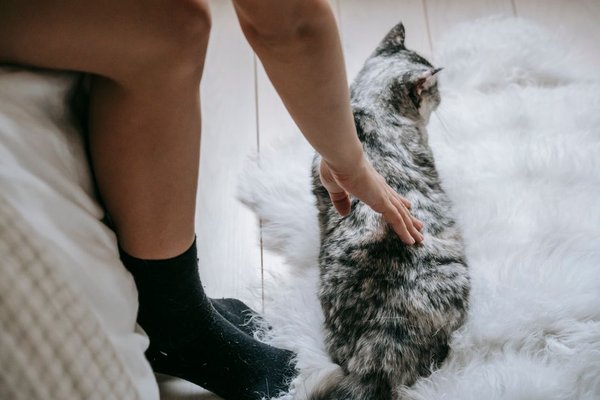
Shedding season can make a tidy home feel covered in cat hair overnight. The right grooming tool removes loose hair before your cat swallows it or leaves it on furniture, bedding, and clothes. Regular brushing also lets you check the skin for irritation or unusual hair loss. The best deshedding tools for cats match the coat, remove loose fur gently, and are comfortable enough to use consistently.
Seasonal shedding varies from cat to cat. Some cats have heavier spring and autumn sheds, while indoor cats can lose smaller amounts of coat throughout the year. During a heavier shed, increasing grooming frequency makes cat hair removal easier and can reduce loose hair swallowed during self-grooming.
Top deshedding tools to consider
Deshedding edge tool for heavy seasonal shedding
A purpose-built deshedding tool with a fine metal edge is a strong choice when a healthy cat is releasing lots of loose undercoat. It can lift fur that an ordinary surface brush misses. Look for a cat-sized model with rounded, smooth teeth. Use light pressure and short passes rather than repeatedly scraping the same area. Treat it as a seasonal helper rather than a tool for aggressive daily use.
Rubber grooming brush for short-haired cats
For many short-haired cats, a soft rubber brush is one of the easiest cat shedding tools to use. Flexible rubber tips catch loose hairs while giving a gentle massage, and the tool is less intimidating for cats that dislike metal teeth. It works well across the back, shoulders, and sides and is a good starting point for cats still learning to tolerate grooming.
Long-toothed metal comb for medium and long coats
A sturdy metal comb with long, widely spaced teeth is useful for medium-haired and long-haired cats because it reaches deeper than a soft surface brush. It can remove loose coat and reveal small tangles before they become mats. Work in small sections and follow the direction of hair growth. Pay special attention behind the ears, under the front legs, and around the back legs, where tangles can hide. Owners comparing grooming routines may also find a guide to cat coat care useful.
Slicker brush for loose fur and minor tangles
A cat-sized slicker brush has many fine, bent wires designed to lift loose hair and separate lightly tangled fur. Choose one with flexible pins rather than a harsh, rigid brush. Slickers can be effective on fuller coats, but pressure matters: a light hand is safer and usually more comfortable. If the coat is tightly matted, do not pull hard with a brush. Dense mats can sit close to the skin and may need help from a veterinarian or professional groomer.
Grooming glove for sensitive or brush-shy cats
A grooming glove can be the most practical purchase when your cat refuses a conventional brush. Silicone or rubber nubs collect surface hair in a familiar petting motion. Gloves do not reach deep undercoat as effectively as a comb or deshedding brush, but they are useful for frequent maintenance between deeper grooming sessions.
How to choose the right tool for your cat
Start with coat type, then consider temperament. Short coats often respond well to rubber brushes, grooming gloves, or gentle bristle-style tools. Medium and long coats usually benefit from a metal comb, with a slicker or deshedding tool added when needed. A cat with a dense seasonal undercoat may need a different tool from a sleek, fine-coated cat.
Handle size and tooth length matter too. A smaller head gives better control around a cat’s shoulders, chest, and legs. Teeth should pass through the coat without scratching the skin. Avoid choosing a tool simply because it removes the biggest pile of fur in one session. Excessive pressure or repeated passes can irritate skin and turn grooming into an experience your cat learns to avoid.
A shedding-season routine that works in real life
Imagine a short-haired indoor cat that normally needs one relaxed grooming session a week but suddenly starts leaving visible fur on the sofa each morning. Instead of one long, forceful session, try five minutes with a rubber brush daily for a week, followed by a few gentle passes with a deshedding tool every few days if loose undercoat remains. Stop while the cat is still calm and reward cooperation. This removes fur gradually and makes the routine easier to repeat.
Long-haired cats may need more frequent combing, especially during heavier shedding. Regular grooming can reduce loose hair and help prevent painful tangles. It also means less hair may be swallowed during self-grooming, which can help reduce hairball problems. If hairballs are a recurring concern, a separate guide on how to reduce cat hairballs is a useful next read.
When shedding needs more than a new brush
Normal shedding should not create bald patches, sores, persistent redness, or obvious discomfort. If your cat suddenly loses much more hair than usual, obsessively licks or bites one area, or develops skin changes, arrange a veterinary examination rather than simply increasing grooming. Allergies, parasites, infections, stress, and other health problems can cause abnormal hair loss.
Grooming should also pause if the skin looks painful or damaged. The goal is to remove hair that is already loose, not force healthy coat out. For routine care beyond brushing, cat grooming and hygiene tips can help owners build a safer overall schedule.
Frequently asked questions
What is the best deshedding brush for a short-haired cat?
A soft rubber grooming brush is an excellent first choice for many short-haired cats because it collects loose hair without needing much pressure. If your cat has a dense undercoat and sheds heavily, a cat-sized deshedding edge can be added for occasional seasonal use.
How often should I use a deshedding tool on my cat?
Frequency depends on coat type, shedding level, and the tool. Gentle brushing can be done more often, while a metal deshedding edge is usually better used in shorter, less frequent sessions. Follow the product instructions and stop if the skin becomes irritated or your cat shows discomfort.
Do indoor cats have a shedding season?
They can. Indoor cats often shed at a lower level throughout the year because stable indoor conditions can soften seasonal changes, but many still have periods when more fur is released. Regular grooming makes those heavier weeks easier to manage.
Can deshedding reduce hairballs?
Brushing removes loose fur before a cat can swallow some of it during self-grooming, so it can help reduce the amount of hair entering the digestive tract. Frequent hairballs, repeated retching, loss of appetite, or other concerning symptoms should be discussed with a veterinarian.
Choose comfort and coat match over maximum fur removal
The most effective deshedding setup is usually simple: one gentle everyday tool that suits your cat’s coat, plus a deeper-reaching comb or deshedding tool when seasonal shedding increases. A rubber brush may be enough for a sleek short-haired cat, while a metal comb and light slicker work better for longer coats. The best purchase is a tool your cat tolerates well without pulling, scraping, or overworking the coat. Consistent, gentle grooming will do more for shedding control than chasing the largest possible pile of fur in a single session.