
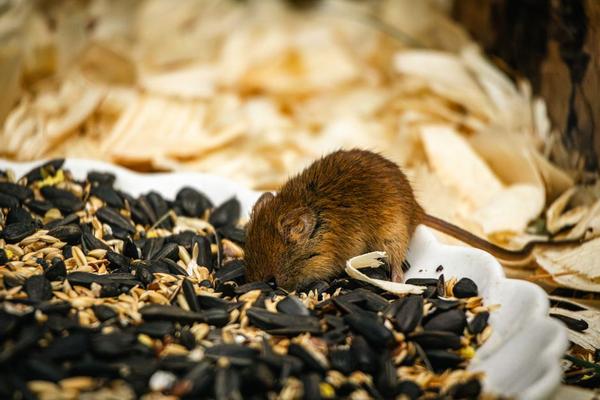
Pet mice are tiny, busy omnivores, but that does not mean they should eat a little of everything from the kitchen. The simplest healthy mouse diet starts with a nutritionally complete mouse food, then adds small amounts of fresh food and occasional treats for variety. This helps prevent two common problems: selective eating from seed-heavy mixes and too many calorie-dense extras.
A useful rule of thumb is roughly 90:10. Most of what your mouse eats should come from a complete food formulated for mice, while vegetables, fruit, grains, seeds and treats stay within the small extras portion. Needs can vary with age, body condition, pregnancy and illness, so the product feeding guide and veterinary advice should take priority.
What should pet mice eat every day?
For most healthy adult pet mice, a high-quality pelleted food, lab block or uniform nugget made for mice is the best daily staple. Because each piece has the same formulation, your mouse cannot simply pick out favourite seeds and leave the less appealing ingredients behind.
Mice naturally forage and nibble many small meals. You can offer some food in a bowl and scatter part of the measured daily allowance through clean bedding to encourage normal searching behaviour. Fresh, clean water should always be available, and bottles or bowls should be checked daily for leaks, blockages and contamination.
For broader setup advice, pet mouse habitat guide and pet mouse care checklist are natural internal-link opportunities.
Is a mouse seed mix enough?
A colourful mouse seed mix looks varied, but variety in the bowl is not automatically balanced nutrition. Many mice selectively eat the fattier or tastier seeds first. Over time, what the mouse actually consumes can be quite different from the nutrition intended by the manufacturer.
If you use a commercial seed mix, choose one specifically labelled as complete for mice rather than a general small-animal mix, and watch what is left behind. For many owners, complete nuggets or pellets make a more reliable staple, with a few seeds used as part of the treat allowance or as foraging rewards.
There is no single homemade seed ratio that safely replaces complete mouse food for every animal. The more useful ratio is the overall diet: complete food should remain the clear majority, with extras around 10% or less.
Fresh vegetables and fruit: keep portions tiny
Fresh foods add texture, moisture and enrichment, but portions need to match the size of the animal. Start with a very small piece and introduce one new food at a time so you can notice loose stools or refusal.
Good fresh-food choices
Suitable options can include small pieces of broccoli, carrot, peas and cucumber. Fruit should be less frequent because it is naturally higher in sugar. Tiny pieces of apple with the seeds removed, pear, blueberry or strawberry can work as mouse safe treats.
Remove uneaten fresh food before it spoils, especially if your mice carry food into a nest. Hidden fresh food can become mouldy quickly.
Keep treats genuinely small
Seeds, nuts, sweet fruit and commercial treats are easy to overfeed because they are energy-dense. Use them as enrichment rather than a second meal. Scattering one or two tiny treats around the enclosure also gives mice something to search for.
What about mouse protein needs?
Mice are omnivores and require protein, but a complete mouse food is designed to provide protein along with the amino acids, vitamins and minerals needed in the overall diet. For a healthy adult mouse eating a complete food, routinely adding high-protein foods is usually unnecessary.
Growing, pregnant, nursing, underweight or unwell mice may have different nutritional needs. Rather than chasing a homemade protein percentage, use a food suitable for the mouse’s life stage and ask a veterinarian if extra nutrition is needed. Tiny amounts of plain cooked egg or unseasoned lean meat may be occasional treats for suitable mice, but they should not replace the staple diet.
Foods pet mice should not eat
Avoid chocolate, caffeine and alcohol. Rhubarb should also be kept away from mice, and animal-welfare guidance advises against grapes and raisins. Do not offer garlic, onion, raw beans or spoiled food. Highly salty, sugary or fatty human snacks are poor choices even when they are not acutely toxic.
Remove fruit pits and apple seeds, and avoid foods covered in sauces, seasoning, butter or oil. When you are unsure about a food, check before feeding rather than assuming that a wild mouse might eat something similar.
A practical daily feeding routine
Imagine you have two adult female mice. In the evening, measure their usual daily allowance of complete mouse food according to the packet. Put some in a bowl and scatter some through a clean foraging area. Add one or two very small pieces of vegetable between them, not a human-sized serving. On another day, use a tiny piece of fruit or a few seeds as the treat portion.
Check the enclosure the next morning. If treats disappear while pellets are repeatedly left behind, reduce the extras. If fresh food is being hoarded, offer less and remove leftovers sooner. Watching what your mice actually eat is more useful than judging the diet by what you put in the bowl.
Safe bedding for pet mice is another useful internal-link opportunity because hoarding and food hygiene are closely connected to enclosure setup.
Watch appetite, weight and droppings
A balanced diet should support steady body condition, normal activity and regular droppings. Weighing a mouse regularly on a small digital scale can reveal gradual changes that are hard to see. Sudden appetite loss, diarrhoea, weight loss, drooling or difficulty chewing deserve veterinary attention rather than a diet experiment.
Frequently asked questions
Can pet mice eat vegetables every day?
Small amounts can be offered regularly as part of the daily food allowance, provided they do not crowd out the complete staple diet. Introduce new vegetables gradually and remove leftovers before they spoil.
Can pet mice live on seeds alone?
A seed-only diet is not a reliable way to provide balanced nutrition. Mice may also select favourite high-fat seeds and leave other ingredients. A complete mouse pellet or nugget is a safer foundation.
How much fruit can a pet mouse eat?
Fruit should be an occasional, tiny extra rather than a major part of the diet. A small bite-sized piece is enough, while lower-sugar vegetables are better choices for more frequent fresh-food feeding.
Do pet mice need extra protein?
Healthy adult mice on a complete diet generally receive their protein from that food. Extra protein may be appropriate in some life stages or medical situations, but those cases are better handled with a suitable formulated diet and veterinary guidance.
Building a balanced mouse diet
The best mouse diet is less complicated than a bowl packed with dozens of ingredients. Start with complete mouse food, keep fresh foods and treats modest, use seeds for variety rather than as the whole diet, and provide clean water at all times. Add foraging opportunities so feeding supports natural behaviour as well as nutrition. That routine gives pet mice variety without losing the nutritional balance they need.