
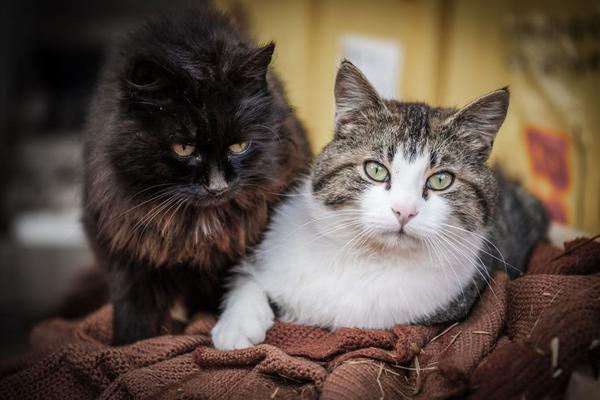
A cat curls up beside you, closes its eyes, and starts to purr. It seems like the clearest possible compliment. Yet the same cat might purr at the veterinarian, while asking for breakfast, or when feeling unwell. Understanding cat purring meanings starts with one simple idea: the sound alone cannot tell you exactly how a cat feels.
Purring is a flexible part of feline vocalization. To interpret it, notice what happened before it started, how your cat is holding its body, and what happens next. Those clues are far more reliable than treating every rumble as a sign of happiness.
Why Cats Purr: One Sound, Several Messages
Unlike a hiss, which usually signals discomfort or a need for distance, a purr can appear in very different situations. Cats produce a low, rhythmic sound that often continues through inhaling and exhaling. Research into cat vocal anatomy suggests specialized tissue in the vocal folds helps produce these unusually low vibrations; the exact role of muscle activity in living cats is still being investigated.
What matters to an owner is that the physical sound and its emotional meaning are separate questions. The best interpretation depends on the moment.
Contentment During Rest or Gentle Contact
The familiar relaxed purr is real. A cat may rumble while resting in a warm spot, receiving welcome chin scratches, or settling onto a favorite blanket. Soft eyes, loosely positioned ears, relaxed muscles, and an unhurried posture make contentment a reasonable interpretation.
But even in this pleasant setting, purring does not mean your cat wants unlimited petting. Watch for a twitching tail, skin rippling along the back, ears turning sideways, or a sudden shift away. These signals can mean the interaction has become too much. Stop touching your cat and let it choose whether to return.
Social Contact With People and Other Cats
Purring also helps maintain social contact. Kittens begin purring very young, and mothers and kittens use close-range sounds and vibrations during nursing and contact. Adult cats may purr when greeting a familiar person or settling near another cat they trust.
Consider the whole greeting: a cat approaching with an upright tail and relaxed face may be seeking friendly contact. A cat remaining hidden while purring is telling a different story. A guide to cat body language signals can help owners recognize those differences alongside sounds.
Requests for Food or Attention
Some cats use a distinctive purr when they want something. Research published in Current Biology identified a higher-pitched, cry-like component in certain food-seeking purrs. Listeners rated these recordings as more urgent than ordinary purrs.
Imagine your cat standing by the kitchen door at dawn, purring insistently while looking between you and the food bowl. The timing, location, and repeated approach suggest a request, not necessarily bliss. A cat that purrs and rubs against your hand during playtime might similarly be seeking interaction. Not every cat makes this special sound, and owners should avoid assuming that pitch alone reveals the message.
Stress, Uncertainty, and Self-Soothing
One of the more surprising cat purring meanings involves distress. A frightened cat may purr in a carrier or examination room. Purring might have a self-soothing function, although scientists have not established that every stressed cat uses it this way.
Look for context clues such as crouching, tightly tucked limbs, flattened ears, wide pupils, or attempts to escape. If the purr accompanies these behaviors, do not interpret it as permission to pick the cat up or force contact. Offer a quiet space and reduce unnecessary handling.
Pain or Illness
A cat can purr while uncomfortable or sick. Veterinary guidance emphasizes that unexpected purring, especially alongside hiding, reduced appetite, reluctance to jump, altered litter-box habits, or changes in energy, deserves attention. Because cats often conceal pain, a familiar purr is not proof that everything is fine.
For example, if a normally sociable cat begins purring under the bed and refuses dinner, pay attention to the withdrawal rather than taking comfort in the sound. Contact your veterinarian about an unexplained change. Difficulty breathing, collapse, or repeated straining to urinate requires urgent veterinary care.
How to Read a Purr Without Guessing
Try a three-part check whenever the meaning is unclear. First, identify the setting: resting, greeting, requesting food, traveling, or recovering from illness. Second, check posture and behavior: is your cat loose and approaching you, or tense and withdrawing? Third, compare the moment with your cat’s normal habits. A change is often more informative than volume.
Suppose your cat purrs when you lift it. If its paws hang comfortably and it stays near you afterward, the interaction may be welcome. If it stiffens, turns its head away, or bolts when released, the same sound should not be read as approval. Put the cat down and allow future contact on its terms.
Keeping a brief note of when unusual purring occurs can help. Record the activity, appetite, movement, and any accompanying cat communication sounds. A short video may also help a veterinarian or behavior professional understand what you observed.
Do Different Types of Purring Sound Different?
Some purrs are barely audible; others can be felt through a cat’s chest. Intensity varies with the individual and the situation. A solicitation purr may include a noticeable high-frequency element, but there is no dependable sound-only dictionary that translates every purr into one emotion.
Also distinguish purring from breathing noises. A regular, familiar rumble in a comfortable cat is different from new wheezing, rattling, labored breathing, or open-mouth breathing. Those symptoms should not be dismissed as unusual purring.
Purring behavior becomes clearer when considered beside why cats meow and understanding cat tail movements. Different signals work together; none should be treated as a stand-alone mood detector.
Frequently Asked Questions
Does purring always mean a cat is happy?
No. Happiness is a common explanation when a cat looks relaxed, but cats also purr during social requests, stress, and illness. Behavior and surroundings provide the essential context.
Why does my cat purr when I pet it?
Your cat may enjoy the contact, especially if it leans in and remains relaxed. If the tail starts lashing or the body stiffens, pause. A purr does not override signs that your cat wants a break.
Why does my cat purr at the vet?
Some cats purr when anxious or uncomfortable. The unfamiliar smells, handling, and surroundings may be stressful even if the cat is making a sound commonly linked with contentment.
Should I worry if my cat suddenly purrs more?
A change in purring alone does not diagnose illness. However, increased or unusual purring together with hiding, poor appetite, reduced activity, pain-related behavior, or breathing changes warrants veterinary advice.
Conclusion
The clearest answer to why cats purr is that they use this familiar sound in several emotional and social contexts. A relaxed lap cat, an insistent breakfast companion, and a frightened patient may all purr for different reasons. Rather than trying to decode the rumble in isolation, read the whole cat: posture, behavior, setting, and changes from normal. That habit builds a more accurate understanding of feline communication and helps you respond when your cat needs comfort, space, attention, or medical care.