
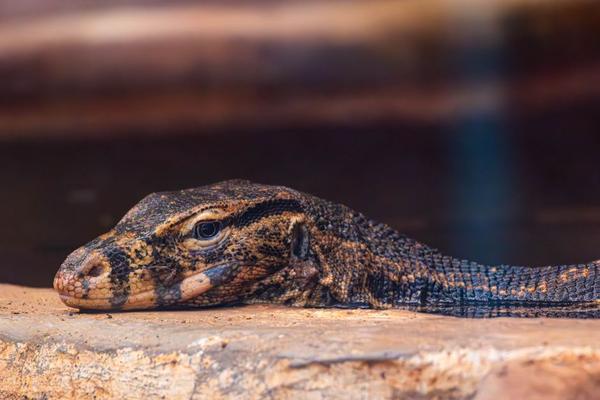
A bearded dragon that usually rushes toward its food suddenly spends most of the day tucked inside a hide. A tortoise becomes less interested in moving around as the days shorten. Is something wrong, or is this a normal seasonal change? Brumation in reptiles can explain some of these slowdowns, but it should never become a catch-all explanation for unusual behavior.
Understanding the difference matters because a healthy reptile following a seasonal rhythm and a sick reptile struggling with poor enclosure conditions can look surprisingly similar. The safest approach starts with the species, its environment, and what is normal for that individual animal.
What happens during reptile brumation?
Brumation is a period of reduced activity and metabolism associated with seasonal environmental changes, particularly cooler temperatures and shorter daylight hours. A reptile may spend more time hiding, eat much less, and move only occasionally. This conserves energy when conditions would make normal activity and food gathering difficult in the wild.
People often call brumation “reptile hibernation,” but the terms are not identical. Mammalian hibernation involves different physiological patterns. A brumating reptile may still wake, reposition itself, or seek water. Some tortoise care resources use the word hibernation for their seasonal dormancy, so terminology varies by species and husbandry tradition.
Most importantly, not every reptile needs a winter rest. The seasonal pattern of a temperate snake cannot simply be applied to a tropical lizard.
Which reptiles may brumate?
Brumation is associated with various reptiles from regions that experience meaningful seasonal changes. Examples include some temperate snakes, certain lizards, and particular tortoise species. Bearded dragons are a familiar example because some captive adults show a noticeable reduction in activity during part of the year.
Yet there is considerable variation. Two healthy bearded dragons living in similar homes may behave differently. Some individuals slow down every year; others remain active. Corn snakes may experience seasonal dormancy in suitable natural conditions, but a household pet does not automatically require an induced cooling period.
Tropical species, including many reptiles accustomed to relatively stable warm conditions, should not be deliberately cooled for brumation without an established species-specific reason and expert supervision. If you are unsure what applies to your pet, start with a reputable species care guide and an experienced reptile veterinarian rather than a generic winter schedule.
When does a reptile winter slowdown begin?
In the wild, changes in temperature, daylight, and food availability help shape seasonal behavior. In captivity, indoor lighting, stable heating, geographical location, and individual biology can alter or diminish those cues. That is why there is no reliable calendar date when all reptiles begin brumating.
Common brumation signs and what they do not prove
Possible brumation signs include prolonged hiding, reduced appetite, less basking or exploration, and infrequent bowel movements when food intake has fallen. Some reptiles become responsive for brief periods before settling down again. A gradual change in an otherwise healthy adult is generally less concerning than a sudden collapse in activity.
These signs overlap with illness. Appetite loss can accompany parasites, infection, inappropriate temperatures, dehydration, or other health problems. A reptile that feels cold because its heat source has failed is not necessarily experiencing a healthy seasonal process.
Warning signs that call for veterinary advice
Noticeable weight loss, a sunken appearance, persistent weakness, abnormal breathing, discharge from the nose or mouth, swelling, or difficulty moving should not be dismissed as brumation. The same applies to a reptile that seems unresponsive or deteriorates quickly. Contact a reptile-experienced veterinarian promptly, especially if the animal is young, underweight, recently acquired, or has a known health problem.
Even when no dramatic symptoms are present, a first-time seasonal slowdown deserves professional guidance. A veterinarian can consider the animal’s history, weight, husbandry, and whether testing for illness or parasites is appropriate.
A practical way to assess a suddenly quiet reptile
Imagine an adult bearded dragon that has spent three days inside its hide and ignored its usual insects. Instead of immediately lowering the enclosure temperature or assuming it is brumating, check the basking area and cooler side with reliable thermometers. Confirm that the lighting and species-appropriate UVB equipment are functioning as intended, and check whether fresh water is available.
Next, review its appetite, stools, body condition, and recent behavior. Weigh it using the same suitable digital scale and keep the reading in a dated log. Record anything unusual, such as recent enclosure changes or a failed bulb. Share those details with a reptile veterinarian before deciding how to manage the slowdown.
For species-specific context, review our bearded dragon care guide and reptile enclosure temperature guide alongside your veterinarian’s advice.
Seasonal reptile care without unnecessary risks
For ordinary pet keeping, do not try to force brumation by turning off heat or dramatically shortening the light cycle. Deliberate seasonal cooling, where appropriate at all, requires a species-specific plan and a veterinary health assessment beforehand. Reptiles that are ill, depleted, or carrying untreated parasites may be especially vulnerable.
Maintain access to clean water and monitor enclosure conditions according to veterinary advice. Do not repeatedly drag a resting animal from its hide, but do continue appropriate observation. Because digestion depends on body temperature, avoid force-feeding or making abrupt feeding changes without professional guidance.
If your veterinarian confirms an appropriate seasonal rest, ask how often to check weight, hydration, temperature, and responsiveness. Those instructions should reflect the particular reptile rather than rules copied from an unrelated species.
What happens when activity returns?
As a seasonal slowdown ends, many reptiles gradually become more active and interested in food. The transition should be managed with appropriate heating, lighting, water, and species-specific feeding practices. A reptile that stays weak, refuses food after normal conditions have been restored, or continues losing weight needs veterinary attention.
Frequently asked questions
Is brumation in reptiles the same as sleeping?
No. It is a broader seasonal reduction in activity and metabolism, not simply a longer night’s sleep. Depending on the species, a brumating animal may occasionally become active or drink water.
Do all pet reptiles brumate in winter?
No. Species differ, and captive conditions may prevent a pronounced seasonal cycle. Many tropical reptiles should not be deliberately cooled, while some temperate species may show distinct seasonal changes.
Should I wake my reptile to feed it during brumation?
Do not routinely disturb or force-feed it without species-specific veterinary guidance. First confirm whether brumation is actually occurring and whether its environmental conditions and hydration are appropriate.
How can I tell brumation from sickness?
You cannot always tell from behavior alone. A health history, accurate enclosure measurements, weight records, and an examination by a reptile veterinarian help distinguish seasonal slowing from illness.
Understanding the slowdown
Brumation in reptiles reflects the close relationship between an animal and its seasonal environment. Recognising that relationship can make a quiet winter period less mysterious, but caution is part of good care. Know what is typical for your species, track changes rather than guessing, and involve a reptile-experienced veterinarian when the pattern is new or concerning. A healthy seasonal rhythm should never be used to explain away a reptile that needs help.