
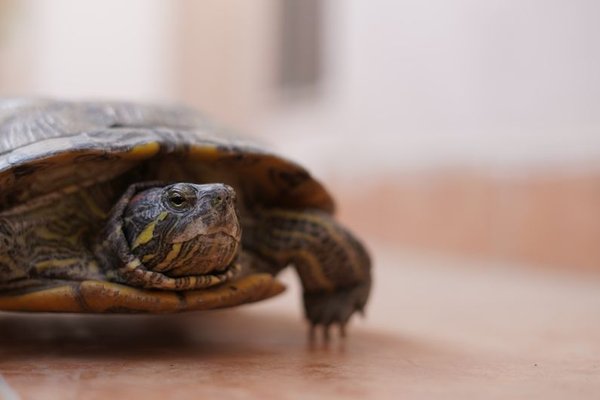
A red-eared slider may look like a simple aquarium pet, but it needs something closer to a miniature indoor pond. This active turtle swims, climbs out to bask, and produces plenty of waste. Good red eared slider care begins with enough space, dependable heat and UVB lighting, clean water, and food suited to the turtle’s age.
Choose a Tank for the Turtle It Will Become
Red-eared sliders can live for decades. Adults commonly reach 7–12 inches in shell length, with females often growing larger. A small starter aquarium will not remain suitable for long, so plan for adult dimensions before buying equipment.
A useful starting guideline is approximately 10 gallons of swimming water per inch of shell length. An eight-inch turtle, for example, may need around 80 gallons of actual water, plus a dry basking area. Large adults frequently require 100–120 gallons or more. Prioritize horizontal swimming space over a tall, narrow tank.
Measure the shell in a straight line from front to back. An aquarium or sturdy indoor stock tank should allow easy turning, diving, and access to the surface. An above-tank basking platform can preserve swimming room in a red eared slider tank. A turtle tank size guide is helpful when planning a future upgrade.
Keep the bottom bare for easy cleaning, or use smooth stones too large to swallow. Small gravel can cause intestinal blockage. Avoid sharp ornaments, unstable rock stacks, and decorations that trap a turtle underwater.
Create a Safe Turtle Basking Setup
A slider needs a platform where its entire shell and underside can dry. Choose a stable, non-slip surface with an easy ramp. A floating dock that sinks under the animal’s weight will not provide effective basking.
Provide Heat and UVB Separately
Mount a protected heat lamp over one end of the platform. A basking surface near 90–95°F (32–35°C) is a common starting point, although equipment and individual needs vary. Measure the actual surface temperature and provide a cooler area so the turtle can regulate its body temperature.
Install a reptile-specific UVB lamp according to its manufacturer’s distance and fixture instructions. UVB supports vitamin D3 production and calcium absorption, helping protect bones and shell. Household lighting is not a substitute. Glass and plastic can block useful UVB, and lamps lose effectiveness before they stop visibly glowing.
Use a timer for roughly 10–12 hours of daytime lighting, with darkness overnight. Keep lamps beyond the turtle’s reach and protect electrical connections from splashes. For equipment positioning, a turtle basking setup guide offers a useful next step.
Maintain Stable Water Temperature
Many adult sliders do well with water around 74–78°F (23–26°C); younger turtles may need approximately 78–82°F (26–28°C). These ranges are starting points, not a replacement for veterinary advice about an individual animal. Sudden temperature swings can affect appetite and activity.
Use an aquarium heater suitable for the volume, preferably protected against contact with the turtle, plus a separate thermometer. Check the temperature every day instead of relying solely on the heater dial. Provide enough depth for comfortable swimming alongside safe resting places and access to air.
Understand Filtration and Water Quality
Turtles eat and eliminate waste in their water, placing greater demands on filtration than many fish. A substantial external canister filter is often a practical option. Choose generous mechanical and biological media capacity, with manageable water flow and easy maintenance, rather than relying only on a fish-tank size label.
Mechanical media catches particles, while beneficial bacteria convert toxic ammonia into nitrite and then nitrate. This biological filter takes time to establish. A newly filled aquarium is not automatically safe just because the water looks clear.
Test ammonia, nitrite, and nitrate regularly, especially while the tank is cycling. Aim for zero detectable ammonia and nitrite, and control nitrate with water changes. A turtle aquarium filtration guide can help explain filter media and cycling in more detail.
Build a Cleaning Routine That Actually Works
Remove leftover food and visible debris daily. As a starting routine, change roughly 25–50% of the water weekly, then adjust based on tests, stocking, and how quickly waste accumulates. Use a conditioner that treats chlorine and chloramine, and bring replacement water close to the existing temperature.
Clean reusable filter media carefully so you do not wipe out the beneficial bacteria; rinsing appropriate media in removed tank water is often safer than untreated tap water. Never use household soap inside turtle equipment.
Consider a real-world example: pellets trapped behind a basking ramp may begin breaking down well before the next weekly clean. Removing them that evening prevents an avoidable increase in dissolved waste. Daily attention often matters more than an occasional dramatic tank scrub.
Feed a Balanced Red Eared Slider Diet
Red-eared sliders are omnivores, but their preferred balance changes with age. Young turtles usually eat more animal protein; adults generally consume more vegetation. Quality aquatic-turtle pellets can provide a foundation alongside leafy greens such as collard greens, dandelion greens, and romaine lettuce.
Offer safe aquatic plants when available. Appropriate invertebrates can provide variety, particularly for juveniles, but dried shrimp and rich treats should never dominate the menu. Iceberg lettuce has little nutritional value, and large portions of human meat are not a balanced turtle diet.
Young turtles typically eat smaller meals more frequently; many healthy adults receive measured pellet portions every other day, with suitable greens available regularly. Adjust portions to body condition and ask a reptile veterinarian about calcium needs. Remove uneaten food to protect water quality.
Recognize Problems and Plan for Long-Term Care
A healthy slider typically swims actively, eats with interest, and basks regularly. Persistent loss of appetite, swollen eyes, wheezing, tilted floating, a soft shell, or foul-smelling shell damage calls for assessment by a reptile-experienced veterinarian. Check habitat measurements as well, but do not delay medical care.
Turtles can carry Salmonella even when healthy. Wash hands after touching the animal, its food, or tank equipment. Keep turtle supplies away from food-preparation areas. Check local ownership rules, budget for eventual upgrades, and never release a pet slider outdoors; released turtles can threaten native wildlife.
Frequently Asked Questions
How big should a red-eared slider tank be?
Use roughly 10 gallons of swimming water per inch of shell as an initial minimum planning rule. Large adults commonly need at least 100 gallons of water, plus a secure, dry platform.
Does a red-eared slider need both heat and UVB?
Yes. Heat helps regulate body temperature; UVB supports vitamin D3 production and calcium use. One cannot reliably replace the other.
How often should I change turtle tank water?
Weekly partial changes are common, but water tests determine the best schedule. Remove food waste promptly and keep ammonia and nitrite undetectable.
Can red-eared sliders share a tank?
They may compete for food and basking sites or injure one another. Housing one turtle alone is often safer; shared housing requires substantial space and careful monitoring.
Keep the Setup Practical as Your Turtle Grows
A healthy habitat combines generous swimming space, dry basking, correctly positioned heat and UVB, effective turtle filtration, and varied food. Monitor water and temperature rather than guessing. With consistent care and room to grow, a red-eared slider can remain an engaging companion for many years.