
Dog dental care at home is becoming a central part of preventive health in 2026, alongside vaccinations, parasite control, exercise and weight management. A few minutes spent looking after your dog’s mouth can help reduce plaque, protect the gums and reveal changes before they become painful.
Dental problems often develop quietly. Many dogs continue eating even when a tooth is sore or their gums are inflamed, so a normal appetite does not always mean a healthy mouth. The best approach combines consistent home care with veterinary checks and professional treatment when needed.
Why Dog Dental Care at Home Matters
Plaque forms when saliva, food particles and bacteria collect on the teeth. If it is not removed, it can harden into tartar. Tartar around the gum line encourages inflammation and can contribute to gingivitis, periodontal disease, loose teeth, infection and ongoing discomfort.
Home care controls fresh plaque before it hardens. It cannot repair a fractured tooth, remove established tartar or treat advanced dog gum disease, but it can lower the risk of problems developing.
Make Mouth Checks Part of the Routine
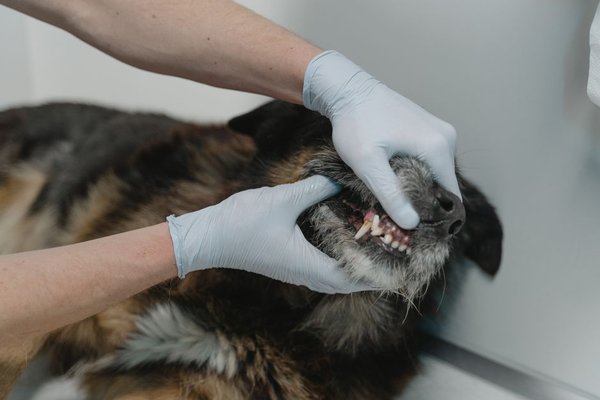
Before introducing a toothbrush, practise checking your dog’s mouth. Choose a calm moment, lift the lips gently and look at the outer surfaces of the teeth and the gum line. Healthy gums are usually moist and pink, although natural dark pigmentation is common.
Watch for yellow or brown deposits, redness, swelling, bleeding, broken teeth or loose teeth. A strong, persistent or suddenly worse mouth odour can also be a warning sign. A weekly check is useful, while daily checks become easy once brushing is established.
How to Start Dog Teeth Brushing
Daily dog teeth brushing is the most effective home method for removing plaque. Success, however, depends on introducing it gradually. Trying to brush every tooth during the first session can make a dog anxious and turn future attempts into a struggle.
Choose Dog-Safe Equipment
Use toothpaste made specifically for dogs. Human toothpaste may contain ingredients that are unsafe for pets to swallow. A soft dog toothbrush, small-headed pet brush or finger brush may work, depending on your dog’s size and tolerance.
Build Comfort in Small Steps
Begin by letting your dog taste a little dog toothpaste. Later, gently touch the muzzle and lift the lips, rewarding calm behaviour. Next, rub a finger or soft cloth along the outside of a few teeth. Once your dog accepts that, introduce the brush for a few seconds.
Keep sessions short and positive. Praise, play or a small reward can help your dog associate brushing with something pleasant. If your dog becomes worried, growls or repeatedly pulls away, stop rather than forcing the process. Ask your vet or veterinary nurse for guidance.
Use a Simple Brushing Technique
Lift the lip and angle the brush toward the gum line. Use gentle, small circular movements on the outside surfaces of the teeth, where plaque commonly collects. Focus on the canine teeth and larger back teeth. You do not need to hold the mouth wide open or scrub aggressively.
Aim for daily brushing because plaque returns quickly. If that is not immediately realistic, build toward it consistently. A short, calm session performed regularly is more useful than an occasional lengthy battle.
Can Dental Chews for Dogs Replace Brushing?
Dental chews for dogs can support an oral-care routine, but they should not replace brushing. Chewing may reduce plaque on some teeth, particularly at the back, yet it may not clean the front teeth or gum line evenly.
Choose products designed for your dog’s size and supervise every session. Avoid extremely hard items such as bones, antlers or chews that do not give under pressure, as these can fracture teeth. Dental chews also contain calories, so include them within your dog’s daily food allowance.
Dental toys, veterinary dental diets, oral gels and water additives may help dogs that resist brushing. Ask your vet which options are suitable and supported by credible evidence.
Food Alone Is Not a Dental-Care Plan
Ordinary dry food does not automatically clean a dog’s teeth. Many pieces of kibble break apart before producing meaningful cleaning action. Special dental diets may be more helpful because their shape and texture encourage contact with the tooth surface, but they are still support tools rather than replacements for brushing and veterinary care.
A balanced diet supports general health, but no everyday food can remove hardened tartar once it has formed.
Early Signs of Dog Gum Disease
Dog gum disease is easier to manage when identified early. Arrange a veterinary appointment if you notice persistent bad breath, red or bleeding gums, visible tartar, excessive drooling, pawing at the mouth, facial swelling, reduced appetite or a preference for soft food. Dropping food, chewing on one side, loose teeth and reluctance to have the face touched are also warning signs.
Do not wait for your dog to stop eating. Dogs often continue to eat despite significant dental pain. A sudden change in behaviour, including irritability or reduced interest in toys, can also indicate discomfort.
When Professional Dental Treatment Is Needed
Home care does not replace professional assessment. A complete dental examination and cleaning may require general anaesthesia, allowing the veterinary team to clean below the gum line, examine every tooth safely and take dental X-rays when necessary.
Anaesthesia-free cosmetic scaling may make visible teeth look cleaner, but it cannot provide the same examination or treatment beneath the gums. If tartar, infection, loose teeth or pain are already present, brushing harder is not the answer. Seek veterinary advice before starting or restarting home care.
A Practical Dental-Care Plan
Keep the routine simple: brush daily where possible, inspect the gums and teeth at least weekly, use suitable dental chews or approved products as supporting tools, and arrange regular veterinary checks. Puppies can learn mouth handling early, but older dogs can also adapt when training is slow and reward-based.
Consistency matters more than perfection. If you miss a day, simply restart at the next calm opportunity.
Frequently Asked Questions
How often should I brush my dog’s teeth?
Daily brushing offers the best plaque control. Begin with brief sessions and increase gradually rather than forcing a full clean immediately.
Can I use human toothpaste on my dog?
No. Use dog-safe toothpaste formulated to be swallowed. Human products may contain ingredients that are unsuitable or toxic to dogs.
What should I do if my dog already has tartar?
Book a veterinary examination. Hardened tartar usually cannot be removed safely with a toothbrush, and disease may be developing below the gum line.
Are dental chews safe for every dog?
Not always. Choose the correct size, supervise chewing and consider your dog’s weight, dental condition and chewing habits. Ask your vet if your dog has damaged teeth or tends to swallow chews whole.
Conclusion
Effective dog dental care at home is built around regular brushing, gentle mouth checks and informed product choices. These habits help control plaque and reveal early trouble, while veterinary examinations address problems home care cannot reach. By making oral hygiene part of your dog’s preventive-care routine, you can protect comfort, preserve healthy teeth and prevent hidden dental disease from progressing unnoticed.