
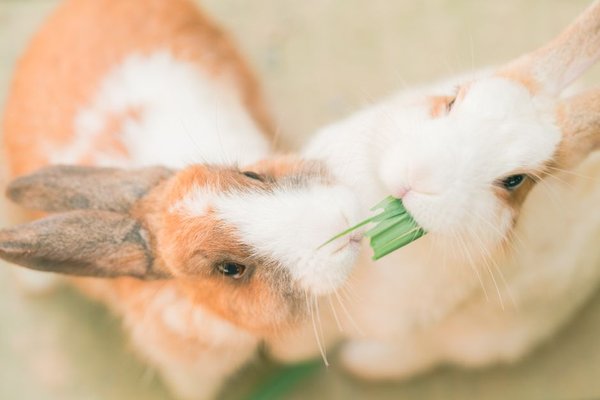
A rabbit may eagerly nibble a new salad even when its digestive system needs time to adjust. Choosing safe vegetables for rabbits is only half the job; the rest is serving sensible portions, keeping hay available and introducing unfamiliar greens slowly. A varied rabbit salad can be simple once you know which ingredients belong in the everyday rotation and which are occasional treats.
Start With Hay, Then Add Fresh Greens
Vegetables complement a rabbit’s diet; they do not replace its foundation. Adult rabbits need unlimited grass hay, such as timothy or orchard grass, and constant access to fresh water. Hay supplies the long-strand fibre essential for digestion and tooth wear. Fresh greens add moisture and nutrients, while suitable high-fibre pellets are generally measured.
If your rabbit ignores hay but eagerly eats salad, adding more vegetables is not the solution. Review hay quality, pellets, treats and eating behaviour. Our rabbit hay feeding guide can help you plan the wider menu.
Safe Vegetables for Rabbits: Everyday Choices
The most useful vegetables rabbits can eat regularly are leafy greens and herbs. Choose thoroughly washed produce and rotate several tolerated options.
Leafy Lettuce and Salad Greens
Romaine lettuce, green leaf lettuce and red leaf lettuce make practical bases. Endive, escarole, radicchio and rocket (arugula) offer different flavours and textures. They are better choices than iceberg lettuce, which offers comparatively little nutrition and should not form the salad’s foundation.
Herbs and Flavourful Leaves
Coriander (cilantro), basil, mint and dill add interest without sweet treats. Watercress, pesticide-free dandelion leaves and carrot tops are also suitable options. Although the leafy carrot tops are generally safe, the sugary orange root should be a small treat. Introduce each unfamiliar green separately.
Non-Leafy Vegetables
Small amounts of bell pepper, cucumber or courgette (zucchini) can add variety once tolerated. Remove the pepper stalk and core, serve vegetables plain, and cut them into manageable pieces. Leafy greens should remain the main vegetable component. A useful rabbit food list distinguishes regular salad choices from occasional extras.
Vegetables to Rotate Carefully or Limit
Safe does not mean unlimited. Spinach, Swiss chard and beet greens are relatively high in oxalates, making them occasional choices rather than daily bases. Kale and parsley can feature in a rotation, but rabbits with urinary conditions or bladder sludge may need individual advice about calcium-rich greens.
Broccoli, cabbage and Brussels sprouts suit some rabbits in modest amounts, but others develop gas or soft droppings. Celery may be offered occasionally, with stringy stalks sliced into small pieces. If a vegetable repeatedly causes digestive trouble, leave it off the menu.
Carrots deserve special treatment. Despite their familiar association with rabbits, their roots contain more sugar than leafy greens and are best given as tiny, occasional treats. Fruit follows the same rule. Neither should crowd out hay or normal rabbit greens.
Produce That Should Stay Off the Menu
Never feed onions, garlic, leeks or chives. Avoid raw potato and potato plants, rhubarb leaves, tomato leaves and stems, and unidentified garden plants. Corn, dried beans and starchy human snacks are unsuitable substitutes for a fibre-rich diet. Chocolate, bread and sugary processed foods do not belong in a rabbit’s bowl.
Wild plants are not automatically safe. Collect only greens you can identify confidently, away from roads, pesticides and animal waste. Wash supermarket and home-grown vegetables alike, and discard spoiled or mouldy leaves.
How Much Vegetable Should an Adult Rabbit Eat?
There is no universal serving size. A commonly used House Rabbit Society guide suggests roughly one to two loosely packed cups of leafy vegetables per four pounds (about 1.8 kg) of body weight daily. Other animal-welfare guidance describes a generous daily handful. Treat these as starting points rather than strict targets.
Size, age, hay intake and health affect individual needs. You can split an established salad allowance between morning and evening. Keep hay and water available all day. If your rabbit has digestive, kidney or bladder conditions, ask a rabbit-experienced veterinarian about portions. Our rabbit pellet feeding guide can help balance the rest of the diet.
Introduce New Vegetables One at a Time
A bowlful of unfamiliar leaves makes a troublesome ingredient difficult to identify. Start with a tiny amount of one new vegetable alongside familiar foods. Watch activity, appetite and droppings for the following days. If everything stays normal, increase the serving gradually before trying another ingredient.
A Practical First-Week Example
Imagine an adult rabbit that already eats hay and romaine comfortably. Offer a small sprig of coriander on the first day, not an entire herb salad. Observe for several days while keeping the usual diet steady. Once coriander is tolerated, include it among the familiar greens and introduce a small piece of endive separately. This approach makes reactions easier to trace.
Young rabbits, newly adopted rabbits with unknown feeding histories and rabbits recovering from illness deserve extra caution. Maintain foods they already tolerate and seek veterinary guidance before adding a range of greens. Avoid changing hay, pellets and vegetables at the same time.
Know When a Reaction Needs Veterinary Care
An uneaten leaf may simply mean your rabbit dislikes its taste. Repeated soft stools after trying a new vegetable are a reason to stop that ingredient. Watery diarrhoea, reduced appetite, fewer or absent droppings, bloating, hunching or unusual quietness are different: contact a rabbit-experienced veterinarian urgently. A rabbit that stops eating or passing droppings may have a life-threatening digestive problem.
Learning the warning signs of rabbit digestive problems matters as much as memorising vegetable names. Check the litter tray and hay rack, not just the salad bowl.
Frequently Asked Questions
Can rabbits eat vegetables every day?
Yes. Healthy adult rabbits can have measured portions of suitable leafy greens daily, alongside unlimited grass hay and fresh water. Introduce vegetables slowly if they are new to the diet.
What lettuce is safest for rabbits?
Romaine, green leaf and red leaf lettuce are good choices. Serve washed leaves as part of a varied mix. Iceberg is less nutritious and makes a poor main green.
Can rabbits eat spinach and kale?
Both can be offered in limited quantities to many healthy rabbits, but neither needs to be a daily staple. Spinach is relatively high in oxalates; kale can be calcium-rich. Ask a veterinarian about urinary concerns.
What if my rabbit refuses a new vegetable?
Do not force it. Remove the uneaten portion and keep familiar hay and foods available. Try another suitable green later. If your rabbit refuses favourite foods too, seek veterinary advice promptly.
A Better Salad Is a Steady Salad
A good rabbit salad is not the biggest bowl you can assemble. It is a modest, varied selection of familiar greens, expanded slowly as tolerated. Keep hay central, reserve sweet vegetables for treats, and watch appetite and droppings. Those habits do more for rabbit diet safety than a long list of ingredients.