
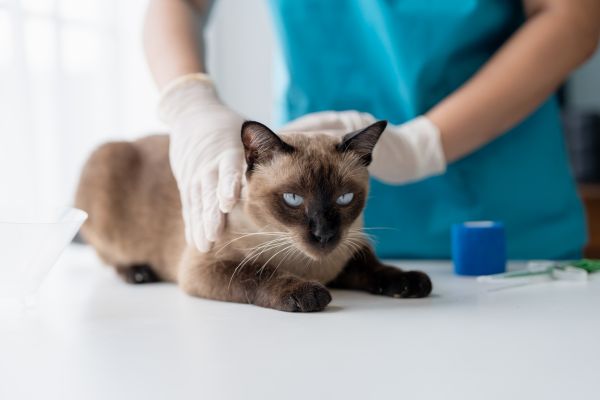
When a pet suddenly becomes ill or injured, the situation can feel overwhelming. Panic tends to take over, and decisions that normally feel simple—like choosing a veterinarian—can suddenly seem complicated. Knowing how to find an emergency vet before a crisis happens can make an enormous difference for both you and your pet.
Emergency veterinary clinics specialize in urgent medical situations that cannot wait for a regular appointment. Whether it’s a sudden injury, breathing difficulty, poisoning, or severe illness, these clinics provide immediate care when time matters most. Understanding how to locate one quickly and confidently is an important part of responsible pet ownership.
Understanding What an Emergency Vet Does
An emergency veterinarian handles critical health situations that require immediate attention. Unlike general veterinary clinics that operate during regular business hours, emergency clinics are designed to respond to urgent cases—often during nights, weekends, and holidays.
These clinics are equipped with specialized tools and trained staff capable of handling trauma, sudden illness, and life-threatening conditions. Many emergency facilities have surgical capabilities, advanced diagnostic equipment, and monitoring systems similar to those found in human emergency rooms.
Pets may require emergency care for a variety of reasons. Sudden vomiting, difficulty breathing, seizures, broken bones, or ingestion of toxic substances are all situations where quick veterinary attention is essential. Knowing where to go ahead of time helps remove uncertainty when seconds feel important.
Why Planning Ahead Matters for Pet Owners
Many pet owners only begin searching for emergency care when something goes wrong. In those moments, stress can cloud judgment and make it harder to find reliable information quickly.
Planning ahead removes that pressure. By identifying a nearby emergency veterinary clinic in advance, you already know where to go if something unexpected happens.
Preparation also allows you to learn about the clinic’s hours, location, and policies. Some facilities operate 24 hours a day, while others function as after-hours services for local veterinary practices. Understanding these differences ensures you choose the right place during an urgent situation.
A little preparation today can prevent confusion during a stressful moment tomorrow.
Starting Your Search for Emergency Veterinary Care
The most straightforward way to begin learning how to find an emergency vet is by starting with your current veterinarian. Many general veterinary clinics partner with nearby emergency hospitals or refer patients to trusted after-hours facilities.
Your vet likely knows which emergency clinics have reliable staff, proper equipment, and strong reputations. Asking for recommendations allows you to build a list of trusted options before an emergency occurs.
Online searches can also help locate nearby emergency veterinary clinics. Searching for terms such as “emergency vet near me” or “24-hour animal hospital” typically reveals facilities in your area. However, not every listing represents a true emergency clinic, so it’s important to confirm that the facility actually offers urgent care services.
Looking at clinic websites can provide useful information about hours of operation, types of cases handled, and the services available on-site.
Using Local Animal Communities as a Resource
Pet owners often share valuable insights about veterinary services within their communities. Local animal shelters, rescue organizations, and pet groups frequently maintain lists of emergency veterinary clinics they trust.
These groups work closely with veterinarians and often handle urgent situations themselves, which means they are familiar with clinics capable of handling emergencies.
Online pet communities and neighborhood forums can also provide recommendations. While personal experiences should be considered carefully, they can still help identify clinics that pet owners rely on when urgent situations arise.
Community knowledge can sometimes highlight reliable clinics that may not appear prominently in search results.
Recognizing the Signs That Your Pet Needs Emergency Care
Understanding when to seek emergency care is just as important as knowing where to find it. Some situations clearly require immediate veterinary attention.
Sudden collapse, uncontrolled bleeding, difficulty breathing, or seizures are obvious medical emergencies. Severe pain, extreme lethargy, or signs of poisoning also require immediate evaluation.
In some cases, symptoms may appear subtle at first. Persistent vomiting, inability to urinate, or significant changes in behavior can signal serious underlying problems. When in doubt, contacting an emergency clinic for guidance is often the safest choice.
Veterinary staff can help determine whether your pet needs immediate care or whether the situation can wait for a regular appointment.
What to Look for in a Reliable Emergency Vet Clinic
Not all veterinary facilities provide the same level of emergency care. When researching clinics, it helps to look for certain indicators of quality and preparedness.
A reputable emergency clinic typically has trained veterinary technicians, experienced veterinarians, and access to diagnostic tools such as digital X-rays and laboratory testing. Some facilities also provide intensive care units for pets requiring close monitoring.
Availability is another important factor. Clinics that operate around the clock offer greater flexibility during late-night emergencies. Others function primarily during evenings and weekends when regular veterinary offices are closed.
Location also matters. In a true emergency, driving long distances may not be ideal. Choosing a clinic that is reasonably close to your home ensures faster access to treatment.
Preparing for a Visit to an Emergency Veterinary Clinic
Even though emergencies are unpredictable, a small amount of preparation can make the process smoother.
Keeping your pet’s medical records accessible can help veterinarians quickly understand your pet’s health history. Information about medications, allergies, and previous treatments may influence how the emergency team approaches care.
It can also help to keep a list of important phone numbers, including your regular veterinarian and the nearest emergency clinic. Having these contacts readily available removes the need to search for them during stressful moments.
Transportation should also be considered. Knowing the quickest route to the clinic and planning how you will safely transport your pet can reduce delays when urgent care is needed.
Staying Calm During a Pet Emergency
Pet emergencies are emotionally difficult. When an animal you care about is in distress, it’s natural to feel anxious or frightened.
Remaining as calm as possible helps both you and your pet. Animals often sense human stress, which can make them more agitated during an already uncomfortable situation.
Contacting an emergency veterinary clinic ahead of arrival can also help. Many clinics appreciate a quick phone call describing the situation so they can prepare for your pet’s arrival.
Even though emergencies can feel chaotic, having a plan in place provides a sense of control during a challenging moment.
The Role of Emergency Vets in Pet Health
Emergency veterinary clinics play a vital role in the overall healthcare system for animals. While routine veterinary visits focus on prevention and long-term care, emergency vets provide critical intervention when unexpected situations occur.
Their work often bridges the gap between immediate stabilization and ongoing treatment with a regular veterinarian. Once a pet is stabilized, emergency clinics typically communicate with the primary veterinarian to ensure continuity of care.
This collaboration helps ensure pets receive appropriate treatment both during emergencies and throughout recovery.
Conclusion
Learning how to find an emergency vet before you actually need one is one of the most practical steps a pet owner can take. Emergencies are unpredictable, but preparation helps reduce uncertainty when time matters most.
By researching local clinics, asking for recommendations, and understanding the signs of urgent health problems, you can approach unexpected situations with greater confidence. Emergency veterinarians exist to provide rapid care during critical moments, and knowing where to turn ensures your pet receives help when it matters most.
A little planning today can make a world of difference during a future emergency—offering peace of mind for you and protection for the animal that depends on you.