
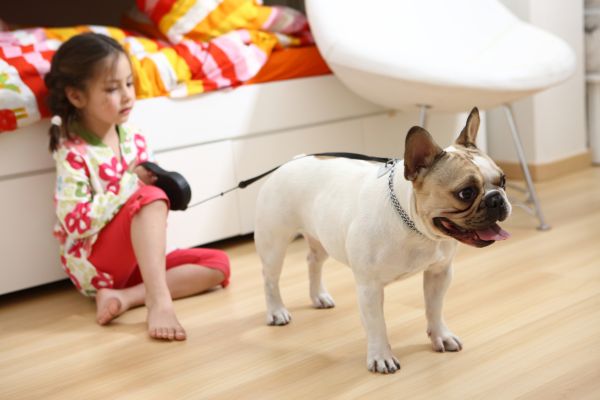
Why Pets Hold a Special Place in Childhood
There is something quietly powerful about the bond between a child and a pet. It may begin with a puppy following small footsteps around the house, a cat curling beside a child during reading time, or a fish becoming the first thing a child checks every morning. These moments may look simple from the outside, but they often become part of a child’s emotional world in a deep and lasting way.
The benefits of pets for children go far beyond entertainment. Pets can shape how children learn responsibility, understand emotions, build confidence, and connect with living things. For many families, a pet becomes more than an animal in the home. It becomes a companion, a teacher, and sometimes even a source of comfort during difficult days.
Of course, pets are not magic solutions. They require time, patience, care, and family commitment. But when children are guided gently and animals are treated with respect, the relationship can become one of childhood’s most meaningful learning experiences.
Pets Teach Responsibility in Everyday Ways
Children often learn best through small routines, not long lectures. Pets create those routines naturally. Feeding a dog, refreshing a cat’s water bowl, cleaning a small pet’s enclosure, or remembering that a fish needs care every day can help children understand that another living being depends on them.
This kind of responsibility feels real because the results are visible. A child sees that a pet is hungry, thirsty, tired, playful, or in need of attention. The lesson is not abstract. It is right there in front of them, wagging its tail or waiting beside a food dish.
Younger children may only be able to help with simple tasks under supervision, while older children can take on more consistent responsibilities. The goal is not to hand over full care too early. It is to let children participate in a way that builds confidence rather than pressure. Over time, they begin to understand that caring means showing up even when it is not especially exciting.
That may be one of the most valuable lessons a pet can teach.
Emotional Comfort and a Sense of Security
Children have big feelings, even when they do not yet have the words to explain them. A pet can offer quiet comfort in those moments. A child who feels upset after a hard school day may sit beside a dog without needing to explain anything. A shy child may talk to a cat in a way they would not talk to adults. A pet does not interrupt, judge, or correct grammar. It simply stays nearby.
This steady presence can help children feel safe. Pets often become part of a child’s emotional routine, especially during times of change. Moving to a new home, starting school, dealing with family stress, or feeling lonely can be easier when there is a familiar animal companion nearby.
There is also something calming about caring for an animal. Stroking soft fur, listening to a cat purr, watching fish swim, or walking a dog slowly around the block can help children settle their thoughts. These are not dramatic moments, but they matter. Childhood is full of little emotional storms, and pets can be a gentle anchor.
Building Empathy Through Animal Care
One of the strongest developmental benefits of pets for children is the way animals help them practice empathy. Children learn that pets have needs, preferences, fears, and boundaries. A dog may not want to be hugged tightly. A rabbit may feel nervous around loud sounds. A cat may walk away when it needs space.
These experiences teach children that love is not only about what they want to do. It is also about noticing what another living being needs.
This is an important shift. A young child may begin by thinking, “I want to play with the pet now.” With guidance, that thinking slowly becomes, “Is the pet ready to play?” or “Does the pet feel safe?” That small change reflects a growing ability to consider another point of view.
Empathy learned through pets can carry into friendships, school life, and family relationships. Children who practice gentle handling, patience, and respect with animals often become more aware of emotions around them. They learn that kindness is active. It is something we do, not just something we talk about.
Encouraging Physical Activity and Outdoor Time
Pets can also help children move more, especially when the pet is active and the family routine supports it. Dogs, in particular, can encourage walks, backyard play, running, fetching, and time outside. Even short daily walks can become a healthy habit for children who might otherwise spend more time indoors.
This movement does not always feel like exercise, which is part of its charm. A child chasing a ball with a dog, helping with a walk, or playing gently in the yard is simply having fun. Yet these moments build coordination, energy, and a stronger connection to the outdoors.
Outdoor time with pets can also open the door to noticing the natural world. Children may see birds, insects, trees, weather changes, and neighborhood patterns during pet walks. A simple walk can turn into a small adventure, especially for younger children who still notice everything.
Not every pet encourages physical movement in the same way, of course. A hamster, fish, or turtle will not take a child outside for a walk. But even quieter pets can support routine, observation, and calm engagement. The key is choosing a pet that fits the family’s home, schedule, and ability to provide proper care.
Supporting Social Confidence and Communication
Pets can help children communicate more freely. Some children enjoy talking to animals because there is no fear of being laughed at or misunderstood. They may read aloud to a pet, tell stories, explain their day, or invent conversations. This kind of relaxed speaking can support confidence, especially for children who are shy or still developing language skills.
Pets may also help children connect with other people. A child walking a dog with a parent may talk to neighbors. A child sharing stories about a pet at school may find common ground with classmates. Pets give children something warm and familiar to talk about, which can make social interaction feel easier.
In families, pets often create shared moments too. Siblings may laugh at a dog’s silly behavior, help clean a pet’s space together, or talk about what the pet did that day. These small shared experiences can strengthen family connection. A pet becomes part of the household story.
Learning Patience, Boundaries, and Gentle Behavior
Children are not naturally patient all the time. They learn patience through experience, and pets provide plenty of practice. Animals do not always respond on command. A cat may ignore a toy. A dog may need training before it understands a cue. A bird may take time to trust a hand nearby.
These situations teach children that relationships cannot be rushed. Trust grows slowly. Care takes repetition. Gentle behavior matters.
Pets also give children a chance to learn boundaries in a very practical way. They must learn not to pull tails, grab fur, disturb sleeping animals, or crowd a pet that is eating. These rules are not just about manners. They are about safety and respect.
Adults play an important role here. Children need guidance, reminders, and supervision, especially when they are young. A positive pet relationship does not happen by accident. It grows when adults teach children how to interact kindly and safely.
A Natural Introduction to Life, Health, and Loss
Pets can help children understand the cycle of life in a gentle, age-appropriate way. They may learn that animals need food, rest, exercise, grooming, and medical care. They may notice when a pet grows older or becomes unwell. These experiences can lead to honest conversations about health, aging, and eventually loss.
These topics are not easy, but pets often make them more understandable. Children learn that love includes care during all stages of life. They learn that living things change. They also learn that grief is a natural response when we lose someone we love, even when that someone is an animal.
For many children, the loss of a pet is their first experience with grief. With support, it can become a lesson in memory, compassion, and emotional honesty. It reminds children that love is meaningful even when it does not last forever.
Choosing the Right Pet Matters
The benefits of pets for children are strongest when the pet is a good match for the family. A high-energy dog may be wonderful for one household and overwhelming for another. A small pet may seem easy at first, but still requires proper care, cleaning, feeding, and attention. Even fish need a suitable environment and regular maintenance.
Families should think carefully about time, space, allergies, costs, travel, and the child’s age before bringing a pet home. It is also important to remember that adults are ultimately responsible for the animal’s wellbeing. Children can help, learn, and grow through pet care, but they should not be expected to carry the full responsibility alone.
A thoughtful choice protects both the child and the pet. It creates a better chance for a healthy, happy bond.
Growing Up With Care and Connection
Pets can bring joy, noise, mess, laughter, and a surprising amount of wisdom into a child’s life. They teach responsibility through daily routines, empathy through gentle care, and patience through real relationship-building. They can comfort children, encourage movement, support communication, and deepen a child’s understanding of the living world.
The most meaningful benefits of pets for children often appear in ordinary moments. A child remembering to refill a water bowl. A quiet cuddle after a bad day. A proud smile after teaching a dog a simple cue. A careful hand learning to be gentle.
These moments may seem small, but childhood is built from small things. When a pet is loved, respected, and properly cared for, it can become one of a child’s earliest lessons in kindness. And that lesson can stay with them long after childhood has passed.