
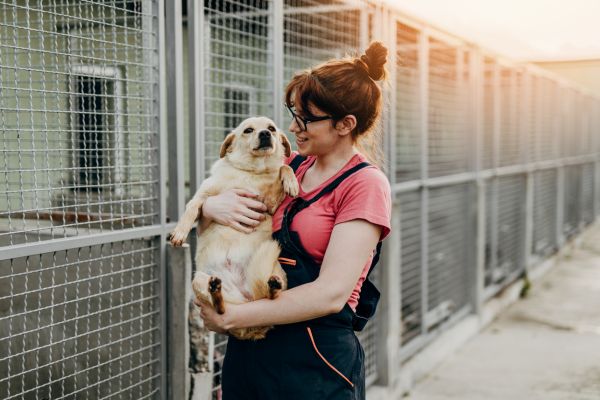
Volunteering at an animal shelter is one of those experiences that sounds simple from the outside. You imagine walking dogs, petting cats, maybe filling bowls with food or helping clean a few kennels. And yes, those things are part of it. But the real experience goes deeper. It can be tiring, emotional, sometimes messy, and often more meaningful than people expect when they first sign up.
The animal shelter volunteering benefits are not only about helping animals, although that is at the heart of everything. Volunteering can also change how a person sees community, responsibility, compassion, and even themselves. It gives people a chance to step into a place where care is practical, not just sentimental. Animals need food, safety, patience, exercise, medicine, and someone willing to show up. When volunteers become part of that routine, they often discover that they receive something valuable too.
Helping Animals Feel Safe Again
Many animals arrive at shelters confused, frightened, or unsure of what is happening. Some were lost. Some were surrendered by families. Some may have lived through neglect, abandonment, or unstable homes. Even animals that seem friendly can feel stressed in a new environment filled with unfamiliar smells, sounds, and people.
Volunteers help soften that experience. A calm walk, a gentle voice, a clean blanket, or a few quiet minutes with a nervous cat can make a real difference. Not every act looks dramatic, but animals often respond to small moments of kindness. A shy dog may begin to wag its tail after a few visits. A cat that once hid in the back of its enclosure may slowly come forward for attention.
This is one of the most rewarding parts of shelter volunteering. You get to see progress that may be invisible to visitors who only stop by once. You notice the first relaxed stretch, the first playful bounce, the first time an animal trusts a hand reaching toward them. These little changes matter because they can help animals become more comfortable, more confident, and more ready for adoption.
Creating Better Chances for Adoption
Shelter animals are more likely to connect with potential adopters when they are healthy, clean, socialized, and emotionally settled. Volunteers play a quiet but important role in that process. A dog that gets regular walks may behave better when meeting visitors. A cat that receives gentle social time may become less fearful. An animal that has someone helping with enrichment may seem brighter, calmer, and more engaged.
Sometimes volunteers also help shelters understand an animal’s personality. During walks, play sessions, or foster-style interactions, they may notice useful details. Maybe a dog loves tennis balls but is nervous around loud trucks. Maybe a cat enjoys being brushed but prefers not to be picked up. These observations can help staff match animals with the right homes.
Adoption is not only about finding any home. It is about finding a suitable one. Volunteers contribute to that goal by helping animals show who they really are beyond the stress of shelter life.
Building Compassion Through Real Experience
It is easy to say that we care about animals. Volunteering turns that care into action. It asks people to do the ordinary work behind compassion: cleaning, feeding, organizing, walking, comforting, and sometimes doing tasks that are not especially pleasant.
That practical side is important. It teaches that kindness is not always soft or easy. Sometimes it means scrubbing floors. Sometimes it means being patient with a dog that pulls on the leash. Sometimes it means sitting near a scared animal without forcing affection. Over time, volunteers often develop a deeper, more grounded kind of empathy.
This experience can also make people less judgmental. Shelters see many kinds of stories. Some owners surrender pets because they are careless, but many are facing illness, poverty, housing problems, family crises, or situations beyond their control. Volunteers may begin to understand that animal welfare is connected to human hardship too. That awareness can make compassion broader and more realistic.
Improving Mental and Emotional Well-Being
Spending time with animals can be comforting. Many volunteers describe shelter work as emotionally grounding, even when it is difficult. Animals live very much in the present. A dog waiting for a walk is not thinking about yesterday’s problems. A cat curling into a blanket is not worried about tomorrow. Being around them can pull a person out of overthinking, even if only for an hour.
There is also something steadying about routine. Showing up on a regular day, completing simple tasks, and knowing those tasks matter can create a sense of purpose. For people dealing with stress, loneliness, grief, or a heavy schedule, volunteering may offer a healthy pause from everyday pressure.
Of course, shelter work is not always light. Volunteers may see sad situations. They may become attached to animals. They may worry about the ones that take longer to find homes. But even this emotional weight can come with meaning. It reminds people that caring deeply is not wasted, even when the outcome is not perfect.
Learning Useful Skills
Animal shelter volunteering benefits can also include practical skills. Volunteers often learn how to handle animals safely, read body language, follow care routines, clean properly, assist with events, support adoption processes, and communicate with staff and visitors.
For people interested in veterinary care, animal rescue, training, grooming, nonprofit work, or community service, shelter volunteering can be a helpful introduction. It gives real-world experience that cannot be fully learned from books or videos. You see how animals behave when they are stressed. You learn why patience matters. You understand why procedures, safety rules, and consistency are necessary.
Even people who do not plan to work with animals professionally can gain skills. Responsibility, teamwork, time management, problem-solving, and emotional resilience all grow in a shelter environment. These are useful in many areas of life.
Becoming Part of a Caring Community
Shelters bring together people from different backgrounds who share one common goal: helping animals. Volunteers may work alongside students, retirees, professionals, families, rescue workers, and longtime animal lovers. Over time, this creates a sense of community.
There is a quiet bond between people who have cleaned kennels together, walked dogs in bad weather, or celebrated when a long-term shelter animal finally gets adopted. These shared moments can turn strangers into familiar faces and sometimes into friends.
In a world where many people feel disconnected, volunteering gives a person a place to belong. It is not based on status or appearance. It is based on showing up and helping. That kind of connection can feel refreshingly honest.
Understanding Animal Responsibility More Deeply
Volunteering at a shelter can change how people think about pet ownership. It becomes very clear that animals are not temporary entertainment or cute accessories. They need time, money, training, medical care, and long-term commitment.
Seeing shelter life up close often makes people more thoughtful about adopting, buying, breeding, spaying, neutering, and microchipping. Volunteers may become stronger advocates for responsible pet care because they see what happens when communities fall short.
This understanding can also help volunteers become better pet owners themselves. They may learn how to introduce pets slowly, respect animal boundaries, provide enrichment, and recognize signs of stress or illness. The shelter becomes a classroom in the most practical sense.
Making a Difference Without Needing to Be Perfect
Some people hesitate to volunteer because they think they need special experience. In most cases, shelters need ordinary people who are reliable, kind, and willing to learn. Not everyone has to handle difficult dogs or medical cases. Some volunteers help with laundry, dishes, office work, photography, transport, fundraising events, or social media updates.
Every role supports the bigger mission. A clean blanket matters. A good adoption photo matters. A short walk matters. A few minutes of gentle attention matters. Animal welfare is built from many small acts, repeated by many people.
That is one of the most encouraging lessons of shelter volunteering. You do not have to solve the entire problem to make a difference. You only have to contribute where you can.
Gaining a New View of Hope
Animal shelters hold many emotions at once. There is sadness, yes, but also relief, recovery, humor, patience, and joy. A dog that arrived terrified may later run happily toward its new family. A kitten found outside may grow strong in foster care. A senior cat may finally find a quiet home with someone who understands its gentle pace.
Volunteers often witness these transformations. They see animals move from fear to trust, from illness to healing, from waiting to belonging. These stories stay with people. They remind us that change can happen slowly and still be real.
Hope in a shelter is not always loud. Sometimes it looks like fresh bedding, a full food bowl, a volunteer clipping a leash onto a dog’s collar, or someone whispering softly to a cat that has had a hard day. It is ordinary, but it is powerful.
Conclusion
The animal shelter volunteering benefits reach far beyond the shelter walls. Animals receive care, comfort, exercise, and a better chance at finding the right home. Volunteers gain purpose, skills, connection, emotional growth, and a deeper understanding of compassion in action.
It is not always easy work. Some days are noisy, tiring, and emotional. But there is something deeply meaningful about being part of an animal’s journey from uncertainty toward safety. In that space between need and care, volunteers become more than helpers. They become part of the quiet, steady hope that keeps shelters going.