
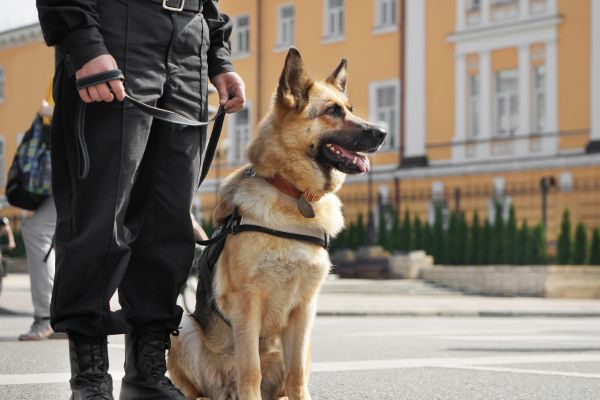
Dogs have worked alongside humans for thousands of years. Long before modern breeds became household companions, dogs were helping people herd livestock, pull sleds, protect homes, hunt game, and patrol property boundaries. Over time, certain breeds developed highly specialized instincts and skills, leading to the categories we often hear about today: working dogs and guard dogs.
At first glance, the two terms can seem interchangeable. After all, many guard dogs are technically working dogs, and many working breeds possess strong protective instincts. But the reality is more nuanced than that. The differences lie not only in training and purpose, but also in temperament, behavior, and the kind of relationship these dogs form with humans.
Understanding working dogs vs guard dogs is important for anyone interested in canine behavior, training, or responsible ownership. These animals are intelligent, driven, and deeply shaped by the tasks they were bred to perform. Treating them simply as “protective pets” often overlooks the complexity behind their instincts and needs.
What Defines a Working Dog
The term “working dog” refers to dogs bred and trained to perform practical tasks that assist humans. Their responsibilities vary widely depending on the environment and historical purpose of the breed.
Some working dogs help farmers manage livestock. Others support law enforcement, search-and-rescue operations, transportation, military duties, or medical assistance. The category is broad because it focuses on function rather than a single behavior trait.
A Siberian Husky pulling a sled through snow, a Border Collie herding sheep across a field, and a service dog assisting someone with mobility challenges are all examples of working dogs, even though their jobs are entirely different.
What connects them is their desire for purpose. Working dogs tend to thrive when given structured activity, mental stimulation, and clear direction. Many of these breeds become restless or destructive when they lack engagement.
Their intelligence often stands out immediately. Working breeds usually learn commands quickly and remain highly aware of their surroundings. They are observant, energetic, and capable of intense concentration during tasks.
This doesn’t necessarily make them naturally aggressive or defensive. In many cases, working dogs are remarkably social and cooperative when properly trained.
Understanding the Role of Guard Dogs
Guard dogs serve a more specific purpose: protection. Their primary role is to defend people, property, livestock, or territory from perceived threats.
Unlike general working dogs, guard dogs are bred and trained with protective instincts at the center of their responsibilities. A good guard dog remains alert, confident, and capable of responding decisively when danger appears.
Some guard dogs are trained for personal protection, while others protect homes, farms, warehouses, or livestock from intruders and predators.
Interestingly, effective guard dogs are not necessarily aggressive all the time. The best protection dogs are usually calm, stable, and disciplined. They know when to remain relaxed and when to react.
Poorly trained dogs that bark constantly or behave unpredictably are often less effective than balanced, controlled animals that assess situations carefully.
Breeds commonly associated with guarding include Rottweilers, Doberman Pinschers, Cane Corsos, German Shepherds, and certain mastiff breeds. These dogs often possess strong territorial instincts and natural suspicion toward unfamiliar people or animals.
Still, training heavily influences how those instincts develop. Genetics create potential, but environment and handling shape behavior.
Why the Categories Often Overlap
One reason the discussion around working dogs vs guard dogs becomes confusing is that many guard dogs belong to the working group of dog breeds.
Take the German Shepherd, for example. It is widely used in police work, military operations, search-and-rescue missions, and personal protection roles. Depending on the training and environment, the same breed can function as a service animal, patrol dog, or family guardian.
The overlap exists because protection itself is considered a type of work.
Historically, dogs guarding livestock or settlements were performing essential survival tasks for humans. Over generations, breeders selected traits like courage, attentiveness, endurance, and loyalty.
But not every working dog is suited for guarding. A Labrador Retriever may excel as a guide dog or detection dog while showing very little territorial behavior. Likewise, some herding dogs focus intensely on livestock movement without displaying strong protective instincts toward strangers.
The distinction often comes down to behavioral emphasis. Working dogs are task-oriented broadly, while guard dogs focus specifically on defense and security.
Temperament Differences Between Working and Guard Dogs
Temperament is one of the clearest differences between these categories.
Working dogs are often bred for cooperation and responsiveness. Many need to follow detailed instructions while remaining adaptable in changing situations. Their ability to work closely with humans is central to their success.
Guard dogs, on the other hand, are frequently more independent in their decision-making. They may naturally assess unfamiliar people or environments with caution rather than immediate friendliness.
This doesn’t mean guard dogs are dangerous by default. A properly socialized protection breed can be affectionate, gentle, and emotionally stable around family members.
The difference lies in instinctive reactions. A working dog bred for retrieval or assistance may eagerly approach strangers, while a guard-oriented breed may pause and observe before engaging.
Confidence is another major trait. Guard dogs must remain composed under pressure. Nervous or fearful behavior can create unpredictable responses, which is why responsible training matters so much in protection work.
Working dogs often display higher play drive and eagerness for repetitive tasks. Guard dogs may prioritize environmental awareness over playful interaction, especially in unfamiliar settings.
Training Approaches and Mental Demands
Training styles also differ significantly between working dogs and guard dogs.
Most working dogs benefit from highly structured routines focused on skill repetition and task mastery. Herding commands, scent detection exercises, mobility support routines, and obedience work all require consistency and mental discipline.
These dogs often enjoy problem-solving activities because they were bred to think actively while working alongside humans.
Guard dog training introduces an additional layer of behavioral control. Protection dogs must learn not only how to respond to threats, but when not to respond.
That balance is crucial.
An effective guard dog cannot react aggressively to every unfamiliar noise or visitor. It must distinguish between normal activity and genuine danger. Achieving that level of control requires advanced socialization and professional guidance in many cases.
Improper guard training can reinforce fear, anxiety, or excessive territorial behavior. Unfortunately, some people misunderstand protection training and encourage reactive behavior rather than disciplined confidence.
In reality, the calmest dogs are often the most reliable protectors.
Physical Traits and Breed Characteristics
Many working and guard breeds share physical similarities because both roles historically demanded strength, endurance, and resilience.
Large frames, muscular builds, and high stamina are common in both categories. However, body structure often reflects specific functional priorities.
Livestock guardian dogs, for example, tend to be large and imposing because they were bred to deter predators through physical presence alone. Herding breeds are usually more agile and quick-moving, designed for speed and precision rather than intimidation.
Scent detection working dogs may prioritize endurance and focus over sheer power. Guard dogs frequently combine physical strength with heightened alertness and territorial instincts.
Coat types also vary according to environment. Mountain guardian breeds often have thick coats for harsh climates, while short-haired protection breeds may be better suited for warmer conditions or urban settings.
Despite breed tendencies, individual personality still matters enormously. Not every dog within a breed behaves identically.
The Importance of Responsible Ownership
Both working dogs and guard dogs require serious commitment from owners.
These are not low-maintenance animals content with inactivity and occasional walks. Many working breeds become frustrated without meaningful physical and mental stimulation. That frustration can lead to chewing, digging, barking, pacing, or other behavioral problems.
Guard-oriented breeds need careful socialization from an early age. Exposure to people, environments, sounds, and routines helps them develop confidence without unnecessary fearfulness.
One common mistake is assuming protective behavior develops properly without training. In reality, unstructured guarding instincts can create confusion and stress for the dog.
Another issue arises when highly driven working breeds are kept in environments that don’t meet their needs. A dog bred for daily herding, patrolling, or search work may struggle emotionally in a sedentary household without enrichment.
Understanding the natural instincts behind a breed helps owners create healthier routines and expectations.
How Society Views These Dogs
Public perception often treats working dogs more positively than guard dogs, even though the distinction is not always fair.
Service dogs, rescue dogs, and police dogs are frequently admired for their intelligence and discipline. Guard dogs, meanwhile, are sometimes viewed with suspicion because of their association with aggression or intimidation.
But much of that reputation depends on human handling.
A stable guard dog trained responsibly can be safer and more predictable than an unsocialized pet dog with poor boundaries. Likewise, a working breed deprived of stimulation can develop difficult behaviors unrelated to aggression.
The conversation around working dogs vs guard dogs ultimately reflects broader questions about how humans shape canine behavior through breeding, training, and environment.
Dogs respond to the roles we create for them.
Conclusion
The differences between working dogs and guard dogs go far beyond labels. While both categories include intelligent, capable, and highly driven animals, their core purposes are not exactly the same.
Working dogs are bred to assist humans through specialized tasks that range from herding and detection to rescue and support work. Guard dogs focus more specifically on protection, territorial awareness, and defense against threats.
Even so, the lines often overlap. Many guard dogs are working dogs by definition, and many working breeds possess protective instincts to varying degrees.
What matters most is understanding the individual dog behind the category. Genetics influence behavior, but training, environment, socialization, and human responsibility shape how those instincts appear in daily life.
In the end, both working dogs and guard dogs reflect the remarkable adaptability of dogs themselves. Across centuries and cultures, they have evolved not just as companions, but as partners capable of performing roles that demand intelligence, loyalty, discipline, and trust.