
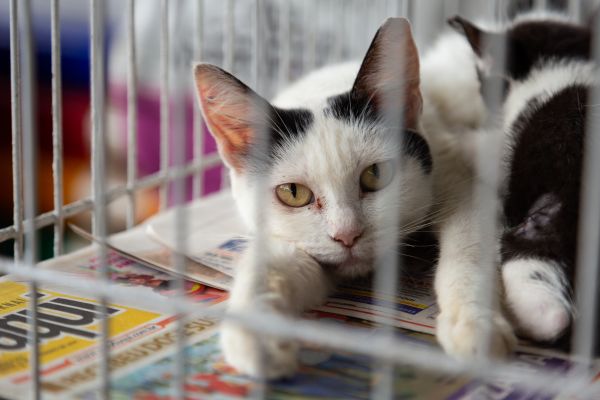
There’s a quiet moment that often surprises first-time cat foster caregivers. It usually happens late at night, when the house is finally still and a cat you barely knew a few days ago curls up nearby, relaxed and trusting. That moment captures the heart of foster care for cats: a temporary commitment that can feel unexpectedly meaningful.
Fostering cats isn’t about perfection, expertise, or having endless free time. It’s about offering stability when a cat needs it most. Whether the stay lasts two weeks or several months, foster care fills a critical gap between uncertainty and safety. For anyone curious about how it works, what it involves, and whether it might fit into their life, understanding the reality behind the idea makes all the difference.
What Foster Care for Cats Really Means
Foster care for cats is a temporary arrangement in which individuals open their homes to cats who aren’t yet ready for permanent adoption. These cats might be too young, too sick, too scared, or simply overwhelmed by shelter environments. A foster home gives them time—time to heal, grow, relax, or learn how to be a cat in a home.
Unlike adoption, fostering comes with a built-in goodbye. The goal is always to prepare the cat for the next step, whether that’s returning to a shelter for adoption or moving directly into a permanent home. That temporary nature is what makes fostering both challenging and deeply rewarding.
Why Cats Need Foster Homes
Shelters do their best, but they aren’t ideal environments for every cat. Kittens need constant care and social interaction. Shy or traumatized cats often shut down in noisy, high-traffic spaces. Cats recovering from surgery or illness need calm surroundings that shelters can’t always provide.
Foster homes reduce stress and increase survival rates, especially for vulnerable cats. They also free up space in shelters, allowing staff to help more animals overall. In many cases, foster care is the difference between a cat merely surviving and truly thriving.
The Types of Cats You Might Foster
Not all foster cats are the same, and that’s part of what makes the experience so varied. Some people foster tiny kittens who need bottle feeding every few hours. Others take in adult cats who simply need a quiet place to decompress. There are senior cats who need comfort during medical recovery and mother cats raising litters in peace.
Each situation brings its own rhythm and challenges. Some fosters are busy and hands-on, while others blend seamlessly into daily life. Understanding what kind of fostering suits your lifestyle helps set realistic expectations from the start.
What a Foster Cat Needs From You
At its core, foster care for cats requires patience and attentiveness more than specialized skills. You provide food, a clean space, and daily observation. You learn what’s normal for that cat and notice when something changes. Sometimes that means administering medication or helping with socialization, but often it’s as simple as offering consistency.
Emotionally, foster cats need someone who respects their pace. Some warm up quickly. Others take weeks to trust. The foster caregiver’s role isn’t to rush the process but to support it gently, allowing the cat to move forward in their own time.
The Emotional Side of Fostering Cats
The emotional aspect of fostering often catches people off guard. It’s easy to focus on logistics—feeding schedules, vet visits, supplies—but attachment happens naturally. Watching a fearful cat learn to play or a sick kitten gain strength creates a bond, even when you know the goodbye is coming.
Letting go can be difficult, but it’s also part of the purpose. Each successful transition means the foster home can help another cat in need. Many experienced fosters describe it not as loss, but as a passing of the torch—a moment where love continues, just in a different home.
How Fostering Fits Into Everyday Life
One of the biggest misconceptions about foster care for cats is that it requires a complete lifestyle overhaul. In reality, many foster arrangements are flexible. Some cats need minimal supervision, making fostering possible even for people who work full-time or live in smaller spaces.
Clear communication with the organization coordinating the foster placement helps ensure a good match. When expectations align, fostering becomes less stressful and more sustainable. It’s not about doing everything perfectly; it’s about doing what you can, consistently.
The Learning Curve and Small Mistakes
Every foster caregiver has a learning curve. You might misread a cat’s body language at first or worry unnecessarily over normal behavior. These moments are part of the process. Over time, you begin to trust your instincts and understand feline communication more intuitively.
Small mistakes don’t define the experience. What matters is being willing to learn and adjust. Foster care for cats is as much about personal growth as it is about animal care, quietly teaching patience, observation, and empathy.
How Foster Care Helps Cats Find Homes
Foster homes play a crucial role in preparing cats for adoption. Living in a home environment reveals their true personalities. A cat who seemed withdrawn in a shelter may turn out to be playful, affectionate, or deeply loyal once they feel safe.
Foster caregivers often share insights about the cat’s habits, preferences, and quirks, helping adopters make informed decisions. This transparency leads to better matches and more lasting adoptions, reducing the chances of cats being returned.
Deciding Whether Foster Care Is Right for You
Choosing to foster is a personal decision shaped by time, emotional readiness, and living circumstances. It’s okay to start small or foster only occasionally. Some people foster once and find it transformative. Others build it into their lives long-term.
There’s no single “right” way to foster. What matters is approaching it thoughtfully, understanding both the rewards and the responsibilities involved. Even short-term fostering can have a lasting impact on a cat’s life.
The Quiet Impact of Opening Your Home
Foster care for cats doesn’t always come with dramatic moments or public recognition. Often, its impact is quiet and unseen. A cat who learns to trust again. A kitten who grows strong enough to be adopted. A shelter that gains space to help another animal.
These small victories add up. They ripple outward, shaping better outcomes for cats and more compassionate communities for people. Fostering isn’t about saving every cat—it’s about helping one at a time, fully and honestly.
A Thoughtful Ending to a Temporary Journey
At the end of a foster placement, the house may feel a little emptier. But it also feels fuller in a way that’s hard to explain. You’ve been part of a transition, a bridge between uncertainty and belonging. That matters.
Foster care for cats is not a grand gesture. It’s a series of ordinary days filled with quiet care, small observations, and moments of connection. For those willing to open their homes and hearts, even temporarily, it offers something rare: the chance to change a life without needing to keep it forever.